Sports First Aid and Injury Management Training Course
A Closer Look at the Course
Course Overview
Develop the knowledge and confidence to recognise sports-related injuries, respond to medical emergencies and support safer sporting environments with the Sports First Aid and Injury Management Training Course. Designed for individuals interested in sports safety, emergency care and injury prevention, this course provides an introduction to the essential principles of first aid and injury management in athletic and recreational settings.
Sports activities offer numerous physical and mental benefits, but they also involve the risk of injuries and unexpected medical emergencies. From minor cuts, bruises and muscle strains to fractures, head injuries and more serious incidents, sports participants can experience a wide range of health and safety challenges. Knowing how to respond appropriately when an injury occurs can make an important difference to an individual’s immediate wellbeing and the effectiveness of subsequent medical care.
This Sports First Aid Training Course helps you develop an understanding of how sports-related injuries occur, how to recognise common warning signs and why prompt, appropriate responses are important. You will explore the fundamental principles of first aid and develop awareness of how to assess an incident, identify potential risks and provide appropriate initial support while considering when professional medical assistance is required.
One of the key benefits of this training is the ability to develop greater confidence when dealing with injuries in sporting environments. Whether you are supporting a school sports event, assisting a community athletics club or working around recreational fitness activities, understanding basic emergency care principles can help you respond more calmly and responsibly when an incident occurs.
Through this Sports Injury Management Training, you will build awareness of common athletic injuries and the importance of appropriate initial care. You will learn about the factors that contribute to sports injuries, how to recognise signs that may indicate a more serious problem and why injured participants should not be encouraged to continue physical activity when doing so could worsen their condition. You will also develop an understanding of the importance of monitoring injured individuals and arranging appropriate medical assessment.
The course places particular importance on sports safety and injury prevention. Effective first aid is not limited to responding after an accident. Understanding common injury risks, recognising unsafe conditions and appreciating the importance of preparation can help create safer sporting environments. You will develop awareness of how responsible supervision, suitable equipment, safe activity practices and emergency preparedness contribute to participant wellbeing.
Another important outcome is improved knowledge of emergency response procedures. You will explore the importance of remaining calm, assessing the situation, identifying immediate dangers and seeking appropriate medical assistance. You will also develop an understanding of how effective communication and organised responses can support the management of incidents during sports activities.
The course is suitable for beginners and individuals who want to strengthen their knowledge of athletic first aid. It provides a useful foundation for anyone interested in supporting sports participants, assisting coaches and fitness professionals or developing further skills in sports safety and injury management.
By completing this course, you will have a stronger understanding of how to recognise sports injuries, respond to common incidents and contribute to safer physical activity environments. You will also gain foundational knowledge that can support further training and professional development in sports coaching, fitness, recreation and first aid.
What You Will Gain from This Course
By completing the Sports First Aid and Injury Management Training Course, you will develop the ability to:
-
Understand the fundamental principles and responsibilities of first aid in sporting environments.
-
Recognise common sports-related injuries and their potential causes.
-
Develop awareness of how to assess an injury and identify possible warning signs.
-
Understand appropriate initial responses to common athletic injuries.
-
Recognise the importance of emergency medical assistance in serious situations.
-
Understand the risks associated with head injuries and other potentially serious conditions.
-
Develop awareness of muscle strains, sprains, fractures, cuts, bruises and other common injuries.
-
Understand why appropriate injury management is important for recovery and participant safety.
-
Recognise when an injured individual should stop participating in physical activity.
-
Understand the importance of monitoring an injured person until further assistance is available.
-
Develop awareness of injury prevention and sports safety practices.
-
Understand how to prepare for emergencies during training sessions, competitions and recreational activities.
-
Appreciate the importance of communication, supervision and responsible incident management.
-
Build foundational knowledge relevant to sports coaching, fitness, recreation and athletic support environments.
Who Is This For?
The Sports First Aid and Injury Management Training Course is suitable for anyone interested in developing knowledge of sports-related injuries, basic emergency care and participant safety. It is particularly useful for people who regularly participate in, supervise or support sporting and physical activities.
This course is especially beneficial for:
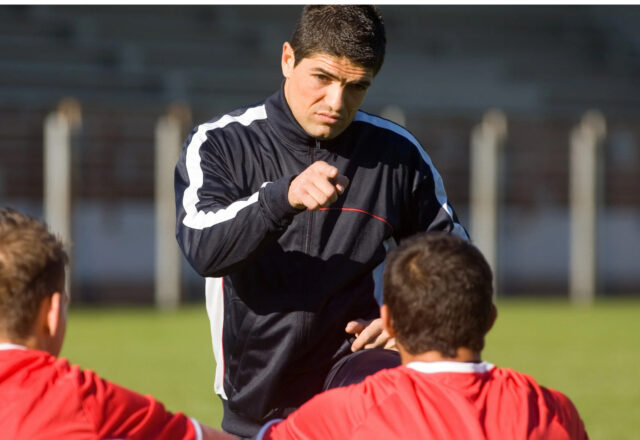
Sports Coaches and Assistant Coaches: Coaches can develop a better understanding of common sports injuries, emergency preparedness and participant safety. This knowledge can help them recognise potential problems during training sessions and competitions and understand when an injured athlete needs medical attention.
Fitness Instructors and Personal Trainers: Fitness professionals can strengthen their awareness of exercise-related injuries and emergency response principles. This can help them recognise situations where participants may require immediate assistance or medical evaluation.
Sports Club Volunteers: Individuals who volunteer at local sports clubs, community teams and recreational organisations can gain useful knowledge for supporting safer sporting activities and responding responsibly when injuries occur.
Physical Education Teachers: Teachers involved in sports and physical education can develop a stronger understanding of injury risks, basic first aid principles and the importance of maintaining safe environments for students.
Athletes and Sports Participants: Individuals who regularly participate in sports can improve their awareness of common injuries, safety precautions and appropriate responses when accidents happen during physical activity.
Sports Event Organisers: People involved in organising tournaments, competitions and sporting events can develop a better understanding of emergency preparedness and the importance of appropriate first aid arrangements.
Gym and Recreation Centre Staff: Employees working in fitness centres, gyms and recreational facilities can develop additional knowledge of sports safety and injury-related emergencies.
Aspiring Sports Support Professionals: Individuals interested in entering the sports and fitness sector can use this course to establish foundational knowledge of athletic first aid and injury management.
Parents and Guardians of Young Athletes: Parents who support children participating in organised sports can develop greater awareness of injury risks, warning signs and the importance of seeking appropriate medical care.
Career Changers and Beginners: Anyone considering a future in sports coaching, recreation, fitness or sports support can use this course as an introduction to an important area of participant care.
No previous professional experience in sports medicine or first aid is required to benefit from the course.
Requirements / Prerequisites
There are no strict academic qualifications or previous professional experience required to enrol in this Sports First Aid Training Course. It is designed to be accessible to beginners as well as individuals who already work or participate in sporting environments.
However, the following may help you get the most out of your learning experience:
-
An interest in sports, fitness, physical activity or participant safety.
-
A willingness to learn about common injuries and emergency care principles.
-
Basic communication skills for understanding the importance of reporting incidents and seeking assistance.
-
An interest in helping others and promoting safer sporting environments.
-
The ability to understand basic instructions and follow safety-related information.
Previous experience in coaching, fitness training or healthcare is not essential.
Important: This course provides educational knowledge and awareness of sports first aid and injury management. Completing it does not automatically qualify you as a certified first aider, sports therapist, physiotherapist or healthcare professional. Practical first aid competence requires appropriate hands-on training and assessment through a recognised provider. Always follow current first aid guidance, workplace procedures and relevant medical advice when responding to real emergencies.
Career Path
Sports first aid and injury management knowledge can be valuable across several professional environments, particularly those involving physical activity, recreation, fitness and sports participation. Organisations that manage sporting activities need people who understand the importance of participant safety and know how to recognise situations that require appropriate medical attention.
Completing this Athletic First Aid Course can help you develop foundational knowledge relevant to career pathways such as:
Sports Coaching Assistant: Support coaches with training activities, participant supervision and general sports safety awareness. Knowledge of common injuries can help you recognise when an athlete may need to stop participating and receive further assistance.
Sports Club Assistant: Work in community sports organisations supporting daily activities, participant coordination and general safety procedures.
Fitness Instructor: Build additional awareness of exercise-related injuries and participant wellbeing to complement relevant fitness qualifications and practical training.
Personal Training Assistant: Develop foundational knowledge of injury risks and emergency awareness that can support work within personal training and fitness environments.
Sports Event Assistant: Support the organisation and coordination of sporting events, with an understanding of the importance of emergency preparedness and appropriate first aid arrangements.
Physical Education Support Assistant: Assist with physical education and recreational activities while applying an understanding of participant safety and injury awareness.
Recreation Centre Assistant: Work in leisure centres and recreational facilities where awareness of physical activity risks and emergency procedures is valuable.
Sports Development Assistant: Support community sports programmes and participation initiatives while contributing to a culture of safety and responsible activity.
Athletic Support Staff: Develop foundational knowledge relevant to supporting sports teams and athletes in supervised sporting environments.
Sports Therapy or Rehabilitation Career Pathway: Use the course as an introductory learning step before pursuing further education and recognised qualifications in sports therapy, physiotherapy or rehabilitation. These professions require additional specialist training and professional requirements.
Career progression will depend on your qualifications, practical experience and the requirements of individual employers. Roles involving professional first aid responsibilities may require recognised practical certification and additional training.
Develop Your Knowledge of First Aid for Sports Injuries
Sports injuries can occur in almost any physical activity, regardless of the participant’s age, fitness level or experience. Understanding how to recognise common injuries and respond appropriately is an important part of maintaining participant safety.
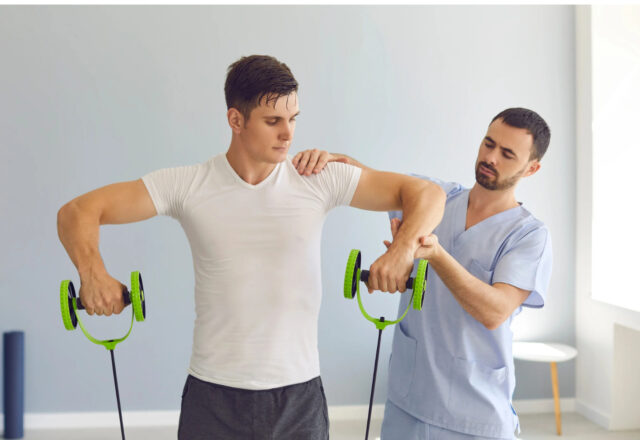
Through this First Aid for Sports Injuries training, you will develop awareness of the different types of injuries that can occur during sporting activities. These may include sprains, strains, muscle injuries, joint injuries, fractures, cuts, bruises and impact-related injuries.
You will gain a better understanding of why identifying the nature and seriousness of an injury is important before deciding on the appropriate response. Not every injury requires the same level of attention, and recognising warning signs can help prevent an individual from being exposed to further harm.
You will also develop an appreciation of the importance of avoiding unnecessary movement or inappropriate treatment when a serious injury is suspected. Understanding when to stop an activity, seek professional medical assistance and follow established emergency procedures is essential.
This knowledge can be particularly useful for coaches, sports volunteers, fitness professionals and anyone who regularly supports physical activities.
Strengthen Your Sports Safety and Emergency Care Awareness
Creating a safe sporting environment requires preparation, awareness and responsible decision-making. Injuries may happen unexpectedly, but appropriate safety arrangements can help reduce risks and improve the response when incidents occur.
Through this Sports Safety and Emergency Care training, you will develop a stronger understanding of the importance of emergency preparedness. You will explore why sporting environments should have appropriate first aid arrangements, accessible emergency contacts and clear procedures for dealing with incidents.
You will also understand the importance of recognising environmental and activity-related risks. Unsafe playing surfaces, unsuitable equipment, inadequate supervision and excessive physical exertion can contribute to injuries and other health-related emergencies.
Developing awareness of these factors can help you identify potential hazards and understand how preventive measures support participant wellbeing.
Another important outcome is improved awareness of communication during emergencies. Clear communication can help ensure that relevant information is shared with responsible staff and medical professionals. Understanding the importance of reporting incidents and documenting relevant details can also contribute to more effective safety management.
Understand Sports Injury Prevention and Management
Preventing injuries is an essential part of responsible sports participation. Although not all injuries can be avoided, understanding common risk factors can help individuals and organisations adopt safer practices.
This course helps you develop awareness of the importance of preparation before physical activity, suitable equipment, safe training practices and appropriate supervision. You will also understand why participants should be encouraged to recognise their physical limitations and avoid continuing activities when they experience concerning symptoms.
You will gain a clearer understanding of why early recognition and appropriate management are important when injuries occur. Continuing to exercise or compete despite a potentially serious injury may increase the risk of further harm. Recognising when an individual needs to stop, receive assistance and obtain professional assessment is therefore an important aspect of sports safety.
The knowledge gained can help you contribute to environments where safety, prevention and responsible injury management are treated as priorities.
Improve Your Confidence in Responding to Sporting Emergencies
An unexpected injury can create pressure for everyone involved. Individuals supporting sports activities may need to respond quickly while ensuring that their actions do not place the injured person or others at further risk.
This training helps you understand the importance of remaining calm, assessing immediate dangers and recognising when emergency services should be contacted. You will develop awareness of how an organised response can help manage an incident until appropriate medical assistance becomes available.
You will also learn why it is important to recognise potentially serious symptoms, avoid unnecessary intervention and follow appropriate first aid guidance.
Developing this awareness can help you become more responsible and prepared when supporting sporting activities. It can also improve your understanding of the limits of your role and why professional medical assessment is essential in situations involving serious or uncertain injuries.
Why Choose This Sports First Aid and Injury Management Training Course?
Developing sports first aid knowledge is a valuable step towards becoming more aware of participant wellbeing and emergency preparedness.
By enrolling in this course, you can benefit from:
-
Comprehensive Learning: Develop an understanding of sports injuries, first aid principles, injury prevention and emergency response awareness.
-
Sports-Focused Knowledge: Explore safety considerations relevant to athletic, recreational and fitness environments.
-
Practical Awareness: Understand how to recognise common injuries and why appropriate initial responses matter.
-
Career Development: Build foundational knowledge relevant to sports coaching, fitness, recreation and sports support roles.
-
Improved Safety Awareness: Recognise potential hazards and understand the importance of injury prevention.
-
Emergency Preparedness: Develop awareness of how to respond responsibly when sporting incidents occur.
-
Accessible Learning: Begin developing sports first aid knowledge without needing previous professional experience.
-
Further Learning Opportunities: Establish a foundation for pursuing practical first aid certification or additional sports-related qualifications.
Take the Next Step Towards Safer Sports and Professional Development
Sports safety is an important responsibility for everyone involved in physical activities. Whether you are coaching a team, supporting a community sports club, working in a fitness environment or participating in recreational activities, understanding how injuries occur and why appropriate first aid matters can make a valuable difference.
The Sports First Aid and Injury Management Training Course provides an opportunity to develop your understanding of athletic injuries, emergency care principles, injury prevention and participant safety. You will gain knowledge that can help you recognise common sporting injuries, appreciate the importance of appropriate responses and understand when professional medical assistance is necessary.
Whether your goal is to strengthen your existing sports knowledge, support athletes more responsibly, explore a career in the sports sector or prepare for further first aid training, this course can help you take a meaningful step towards your objectives.
Enrol today and start developing the sports first aid knowledge and injury management awareness needed to contribute to safer sporting environments and your future professional development.
What you will learn
Course Modules
1 Sports First Aid- Module 1
-
Sports First Aid- Lesson 1
Locked
2 Sports First Aid- Module 10
-
Sports First Aid- Lesson 10
Locked
3 Sports First Aid- Module 2
-
Sports First Aid- Lesson 2
Locked
4 Sports First Aid- Module 3
-
Sports First Aid- Lesson 3
Locked
5 Sports First Aid- Module 4
-
Sports First Aid- Lesson 4
Locked
6 Sports First Aid- Module 5
-
Sports First Aid- Lesson 5
Locked
7 Sports First Aid- Module 6
-
Sports First Aid- Lesson 6
Locked
8 Sports First Aid- Module 7
-
Sports First Aid- Lesson 7
Locked
9 Sports First Aid- Module 8
-
Sports First Aid- Lesson 8
Locked
10 Sports First Aid- Module 9
-
Sports First Aid- Lesson 9
Locked

A certificate for your progress
Learn with confidence.
Show what you can do.
Every course is built to give you more than information. Learn practical skills, complete your training online and receive a certificate you can be proud to share.
Get Your CertificateQuality you can trust
Our courses are Trusted by











Need to know
Frequently Asked Questions
What our students say
Excellent
4.9 average
164 Reviews

Verified Customer
“The support assistant, Adam, was extremely efficient and resolved my queries and issues promptly. Thank you for the excellent service!”
Verified Customer
“I really appreciate the wide variety of courses available, especially at such affordable prices.”
Verified Customer
“Your courses are clearly explained and thoughtfully simplified, making them accessible and easy for learners to understand.”
Verified Customer
“I found the content to be thoughtfully presented and engaging, with a serious approach that I believe will deepen my understanding of the subject.”
Verified Customer
“Top-quality, professional courses offered at truly affordable pricesu2014an excellent combination for anyone looking to upskill!”
Verified Customer
“The process was straightforward and easy, with access to a wide variety of courses. I especially appreciated the tailored recommendations that matched my interests perfectly.”
Verified Customer
“This programme offers a wealth of knowledgeu2014thereu2019s so much to learn and take away from it!”