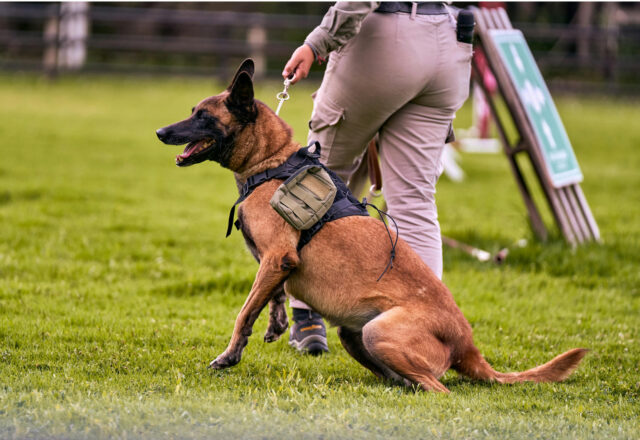
Dog First Aid
Overview
Knowing how to respond when a dog becomes injured or suddenly unwell can make an important difference to its safety and wellbeing. Dog first aid involves recognising signs of injury or illness, understanding basic emergency responses, and taking appropriate steps to support a dog until professional veterinary care is available.
This course introduces the essential principles of dog first aid, covering wound care, injury management, medical emergencies, digestive problems, skin and ear conditions, breathing difficulties, and musculoskeletal injuries. Learners will develop a better understanding of common canine health emergencies and how to recognise situations that may require urgent veterinary attention.
Whether you are a dog owner, pet carer, animal care worker, or someone interested in animal welfare, this course provides valuable foundational knowledge to help you respond more confidently and responsibly when a dog needs assistance.
Description
Dogs can experience unexpected injuries, illnesses, and medical emergencies at home, outdoors, or in other everyday environments. A cut, sudden breathing difficulty, digestive problem, or physical injury can cause distress and may require prompt attention. In these situations, knowing how to recognise warning signs and respond appropriately is an important part of responsible dog care.
This course explores the fundamental principles of dog first aid and develops awareness of the different health problems that may affect dogs. It helps learners understand why early recognition matters, how to approach an injured or unwell dog carefully, and when professional veterinary assistance should be sought.
The course begins with an introduction to dog first aid, establishing the importance of being prepared for unexpected health situations. Learners will develop an understanding of the role of first aid in supporting canine wellbeing and why recognising changes in a dog’s condition is essential. They will also gain awareness of the importance of remaining calm, observing symptoms, and prioritising the animal’s safety when responding to an emergency.
Wound care and injury management are important areas of canine first aid. Dogs may suffer cuts, scratches, puncture wounds, and other injuries during play, exercise, or everyday activities. Learners will explore common types of wounds and injuries, understand the importance of assessing their seriousness, and develop awareness of basic wound care considerations. They will also learn why certain injuries require prompt veterinary evaluation and why attempting inappropriate treatment can make a situation worse.
Another key learning area is medical emergencies. Some conditions can develop suddenly and place a dog’s health at serious risk. Recognising unusual behaviour, sudden changes in physical condition, and other warning signs can help carers understand when immediate veterinary support is necessary. The course introduces the importance of identifying emergency situations and responding with care rather than delaying professional treatment.
Digestive and gastrointestinal issues are also covered. Dogs may experience vomiting, diarrhoea, abdominal discomfort, and other digestive problems for a variety of reasons. These symptoms can range from temporary problems to signs of more serious conditions. Learners will develop an understanding of common digestive concerns, the signs that may indicate a problem, and why changes in eating habits, behaviour, or bowel movements should be taken seriously. This knowledge can help dog carers recognise when veterinary advice is needed.
The course also explores skin and ear problems. Skin irritation, itching, redness, inflammation, and ear discomfort can affect a dog’s comfort and overall wellbeing. Learners will gain awareness of common skin and ear concerns, understand how these problems may present, and recognise the importance of appropriate care. They will also develop an understanding of why persistent symptoms, unusual discharge, swelling, or signs of pain should be assessed by a veterinary professional.
Respiratory and breathing issues form another essential part of dog first aid. Changes in breathing can be particularly concerning because they may indicate an urgent health problem. Learners will explore common signs of respiratory distress and develop awareness of the importance of recognising abnormal breathing patterns. Understanding these warning signs can help carers identify situations where urgent veterinary attention is required.
Musculoskeletal injuries are also included in the course. Dogs can experience sprains, strains, fractures, and other injuries affecting their bones, joints, and muscles. Such injuries may occur through falls, accidents, exercise, or sudden movements. Learners will develop an understanding of common musculoskeletal problems and recognise signs such as limping, swelling, restricted movement, and discomfort. They will also gain awareness of why injured dogs should be handled carefully and why suspected fractures or serious mobility problems require professional veterinary assessment.
Throughout the course, learners will explore how different health concerns can affect dogs and why responsible first aid involves recognising limitations as well as responding appropriately. First aid is not a replacement for veterinary diagnosis or treatment. Instead, it provides a foundation for recognising potential problems, supporting an animal’s immediate safety, and seeking professional help without unnecessary delay.
By the end of the course, learners will have a broader understanding of common canine injuries and health emergencies. This knowledge can support more informed pet care, improve awareness of potential warning signs, and help individuals approach unexpected situations involving dogs with greater confidence and responsibility.
Who Is This Course For?
This course is suitable for anyone who wants to develop foundational knowledge of dog first aid and understand how to respond when a dog is injured or unwell. It may be particularly useful for:
-
Dog Owners: People who want to recognise common injuries, illnesses, and emergency warning signs affecting their pets.
-
Pet Carers and Sitters: Individuals responsible for looking after dogs and interested in improving their understanding of canine health concerns.
-
Dog Walkers: People who regularly care for dogs outdoors and want to develop awareness of potential injuries and emergencies.
-
Animal Care Workers: Individuals involved in everyday animal care who want to strengthen their knowledge of basic canine first aid.
-
Kennel and Boarding Staff: People who supervise dogs in boarding or care environments and may need to recognise signs of injury or illness.
-
Aspiring Animal Care Professionals: Individuals considering a career in animal welfare, pet care, or related services.
-
Dog Trainers: Professionals interested in expanding their awareness of common health problems that may affect dogs during training and activities.
-
Animal Welfare Enthusiasts: Anyone interested in responsible dog care and improving their understanding of canine wellbeing.
Requirements
No previous professional veterinary or animal healthcare experience is required to begin learning the foundational concepts covered in this course. However, the following may be helpful:
-
A general interest in dogs, animal welfare, or pet care.
-
Basic familiarity with dog behaviour and everyday care.
-
A willingness to learn about common canine injuries, illnesses, and emergencies.
-
An interest in recognising health warning signs and understanding appropriate first-aid responses.
-
A responsible approach to animal safety and professional veterinary care.
The course is suitable for beginners, although practical experience caring for dogs may help learners relate the topics to everyday situations.
Career Path
Knowledge of dog first aid can complement experience and further training in animal care, pet services, and animal welfare. Relevant career pathways may include:
-
Dog Daycare Assistant
-
Pet Care Assistant
-
Professional Dog Walker
-
Pet Sitter
-
Kennel Assistant
-
Animal Care Assistant
-
Dog Boarding Assistant
-
Animal Welfare Assistant
-
Dog Training Assistant
-
Pet Services Coordinator