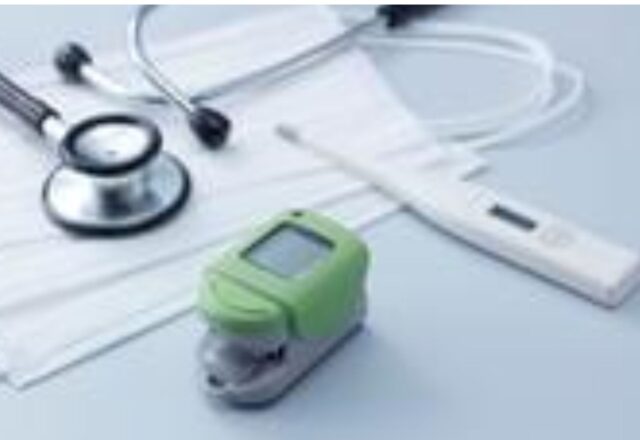
The safe handling of medicine is an essential responsibility in healthcare, social care and other settings where individuals may require support with their medication. Medicines can help manage health conditions, relieve symptoms and improve quality of life, but they must be handled, stored and used correctly to reduce the risk of errors, contamination, misuse and avoidable harm.
This Safe Handling of Medicine course is designed to develop your understanding of medication safety and the responsibilities involved in handling medicines appropriately. You will explore important principles relating to safe storage, medicine identification, handling procedures, documentation, medication support and the prevention of common medication errors.
You will gain an understanding of why accurate information, careful procedures and clear communication are important whenever medicines are involved. The course will also introduce you to the importance of following organisational policies, respecting individual needs and recognising situations where advice or assistance from an appropriately qualified healthcare professional is necessary.
Whether you work in a care environment, support a family member, are considering a career in healthcare or simply want to improve your knowledge of medication safety, this course can help you develop a stronger foundation in responsible medicine handling.
What You Will Learn
Throughout this course, you will develop knowledge of the key principles involved in safe medicine handling, including:
-
The importance of safe handling of medicine.
-
Different types and forms of medicines.
-
Basic medication safety principles.
-
Safe medicine storage and environmental requirements.
-
Checking medicine labels and instructions.
-
Understanding medication records and documentation.
-
Preventing medication errors and avoidable risks.
-
Hygiene and infection prevention when handling medicines.
-
The importance of accurate communication.
-
Supporting individuals with medication safely and respectfully.
-
Recognising and reporting medication incidents.
-
Understanding confidentiality and professional responsibilities.
-
Following workplace policies and procedures.
-
Recognising when professional advice or assistance is required.
Understanding the Importance of Medication Safety
You will begin by exploring why medication safety is an important part of healthcare and personal care. Medicines can have significant effects on the body, and incorrect handling or use may result in adverse reactions, missed doses, inappropriate treatment or other complications.
You will develop an understanding of how safe medicine handling contributes to individual wellbeing and reduces preventable risks. You will also consider how medication safety depends on several factors, including accurate information, appropriate storage, correct procedures and effective communication.
This knowledge can help you recognise that medication handling is not simply an administrative responsibility. It requires attention to detail, awareness of individual needs and a commitment to following established safety procedures.
Types and Forms of Medicines
You will explore the different forms in which medicines may be supplied and why understanding these differences matters when handling them.
This includes general awareness of tablets, capsules, liquids, creams, ointments, inhalers, drops and other commonly encountered medicine formats. You will consider why different products may have different storage requirements, handling instructions and methods of use.
You will also develop an understanding of why medicines should always be identified through their packaging, labels and authorised instructions rather than assumptions about their appearance.
This knowledge can help you become more aware of the importance of reading instructions carefully and avoiding confusion between medicines that may look similar.
Safe Storage of Medicines
Appropriate medicine storage helps maintain product quality and reduces the risk of accidental access, damage or misuse. You will explore the general principles of safe storage and the importance of following the specific instructions provided for each medicine.
You will consider factors such as temperature, light, moisture, packaging, expiry dates and secure storage arrangements. You will also examine why some medicines may require additional storage precautions and why medicines should not be transferred into unsuitable containers or stored alongside unrelated products.
The course will help you understand the importance of keeping medicines organised, checking storage conditions and following workplace procedures. You will also consider why medicines must be kept securely and why access should be restricted to authorised individuals.
Reading Medicine Labels and Instructions
Accurate information is essential when handling medicines. You will explore the importance of reading labels and understanding the information supplied with medication.
You will consider details such as medicine names, strength, dosage instructions, expiry information, storage requirements and relevant warnings. You will also examine why it is important to check that information is clear and consistent with the appropriate medication documentation.
You will develop an awareness of the risks associated with guessing, making assumptions or relying on incomplete information. When instructions are unclear or appear inconsistent, the appropriate response is to seek clarification from an authorised healthcare professional rather than attempting to interpret or change them independently.
Medication Records and Documentation
Accurate documentation supports safe and accountable medication management. You will explore why medication records are important and how they help authorised staff understand what medication support has been provided.
You will develop awareness of medication administration records, recording requirements, relevant workplace documentation and the importance of keeping information accurate and up to date.
You will also consider why missing information, incorrect entries or delayed documentation can create risks. Good record-keeping helps support continuity of care, professional accountability and communication between individuals involved in a person’s support.
Preventing Medication Errors
Medication errors can occur for several reasons, including misunderstandings, incorrect records, poor communication, inappropriate storage or failure to follow established procedures.
You will explore common situations that may increase medication risks and develop an understanding of how careful working practices can help reduce them.
You will consider the importance of checking relevant information, following authorised instructions, avoiding distractions and reporting concerns promptly. You will also examine why individuals should never be pressured into taking medication and why concerns about refusal, missed doses or possible adverse reactions must be handled according to relevant procedures.
This knowledge can help you recognise potential problems and understand the importance of taking a responsible approach to medication safety.
Hygiene and Infection Prevention
Good hygiene is important whenever medicines are handled. You will explore the role of hand hygiene, clean working environments and appropriate handling practices in reducing contamination risks.
You will consider why medicines should be handled in accordance with product instructions and workplace infection prevention procedures. You will also develop awareness of how unsuitable handling practices may affect medicine safety and individual wellbeing.
These principles are particularly relevant in care environments where staff may support several individuals and need to maintain consistent hygiene standards.
Supporting Individuals with Medication
Medication support should always respect the individual’s needs, dignity, independence and rights. You will explore the importance of understanding an individual’s care plan, following authorised procedures and communicating clearly when medication support is required.
You will also consider the importance of recognising individual preferences, respecting a person’s right to make informed decisions and responding appropriately when someone does not wish to take their medication.
The course will help you understand the distinction between general medication awareness and authorised medication administration. Any administration or handling responsibilities must be undertaken only by individuals who have the appropriate training, competence and authorisation under applicable procedures.
Recognising and Reporting Medication Incidents
You will develop awareness of the importance of recognising and reporting medication-related concerns. These may include suspected errors, damaged packaging, missing medication, incorrect records, unexpected reactions or concerns about storage conditions.
You will explore why incidents should be reported promptly and why accurate information is important when communicating a concern.
You will also consider the importance of following organisational reporting procedures, maintaining confidentiality and avoiding attempts to conceal or independently resolve incidents beyond your responsibilities.
Understanding these principles can help you contribute to a safer environment and support appropriate action when something goes wrong.
Who Is This Course For?
This course is suitable for learners who want to improve their understanding of medication safety and responsible medicine handling. It may be particularly useful for:
-
Healthcare assistants and support workers.
-
Care assistants working in residential settings.
-
Individuals interested in health and social care.
-
People considering a career in the care sector.
-
Support workers involved in personal care.
-
Family members and informal carers seeking general medication safety knowledge.
-
Individuals working in community support environments.
-
Learners preparing for further healthcare training.
-
Anyone interested in understanding safe medicine storage and handling.
It is suitable for beginners and does not require previous professional experience.
Requirements / Prerequisites
There are no formal academic qualifications or previous medication handling experience required to study this course.
A general interest in health, safety and individual wellbeing will be beneficial. You should have access to a computer, tablet or smartphone and a reliable internet connection to complete the online learning.
This course provides educational knowledge and awareness. It does not independently authorise learners to administer medication or undertake regulated healthcare responsibilities. Any workplace medication duties must follow relevant legislation, organisational policies, individual care plans and appropriate training and competency requirements.
Skills You Can Develop
By completing this course, you can strengthen your understanding of:
-
Medication safety principles.
-
Safe medicine storage.
-
Reading medicine labels and instructions.
-
Medication documentation.
-
Hygiene and infection prevention.
-
Recognising medication-related risks.
-
Preventing common handling errors.
-
Communication in care environments.
-
Respecting individual rights and dignity.
-
Reporting medication concerns.
-
Professional responsibility and confidentiality.
-
Following workplace safety procedures.
Career Path
Knowledge of safe medicine handling can support professional development in healthcare and social care environments. Depending on your experience, further training and workplace requirements, you may explore opportunities such as:
Care Assistant: Support individuals with daily living activities while following appropriate care plans and medication-related procedures within your role.
Healthcare Assistant: Develop your understanding of patient support, hygiene, safety and the importance of accurate communication in healthcare settings.
Residential Support Worker: Assist individuals in residential care environments while contributing to safe and organised support.
Home Care Assistant: Support people in their own homes and develop awareness of safe medication-related responsibilities within authorised duties.
Senior Care Assistant: With relevant experience and additional training, progress towards responsibilities involving care coordination and supporting less experienced colleagues.
Community Support Worker: Develop skills relevant to supporting individuals who require assistance to maintain independence and wellbeing.
Health and Social Care Professional: Use this knowledge as a foundation for further study and development in healthcare or social care.
This course is an educational starting point. It does not replace regulated qualifications, workplace medication training or competency assessments required for specific roles.
Why Study Safe Handling of Medicine?
Medication safety is relevant wherever individuals depend on medicines as part of their healthcare or daily support. Understanding how medicines should be stored, identified, documented and handled can help reduce avoidable risks and improve confidence when working in care-related environments.
This course focuses on the knowledge behind responsible medication handling. You will develop a clearer understanding of why procedures matter, how medication errors can occur and what actions may help prevent problems.
The knowledge can also support your wider professional development by strengthening your awareness of health and safety, communication, confidentiality and individual-centred care.
Learning Outcomes
After completing the course, you should be able to:
-
Explain the importance of safe medicine handling.
-
Recognise different common forms of medication.
-
Describe general principles of safe medicine storage.
-
Identify important information on medicine labels.
-
Explain the purpose of medication records.
-
Recognise situations that may increase medication risks.
-
Understand the importance of hygiene when handling medicines.
-
Describe how individuals should be supported respectfully.
-
Recognise the importance of reporting medication incidents.
-
Explain why workplace procedures and professional boundaries must be followed.
Professional Development and Future Opportunities
Medication safety is an important area of ongoing professional development for people working in healthcare and social care. After completing this course, you may wish to progress to further learning in medication administration, safeguarding, infection prevention, health and safety, first aid or person-centred care.
Developing practical experience alongside appropriate workplace training can help you strengthen your understanding of medication-related responsibilities. You may also benefit from learning about relevant care standards, organisational procedures and current guidance.
Continuing professional development can help you build confidence, improve your understanding of individual needs and prepare for additional responsibilities where you have the required training and authorisation.
Start Developing Your Medication Safety Knowledge
Safe medicine handling requires care, accuracy and an understanding of individual responsibilities. This course can help you build a foundation in medication safety, storage, documentation and risk awareness.
Take the next step towards developing your healthcare knowledge and understanding the principles that support safer medication practices.