
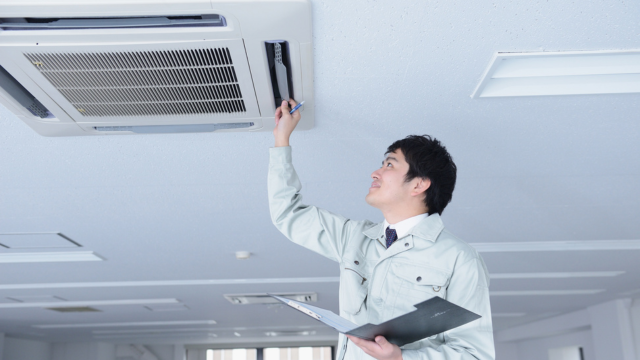
Aircraft maintenance is one of those professions where attention to detail is not simply desirable. It directly affects airworthiness and safety.
An aircraft may look completely serviceable from the outside while requiring scheduled inspection, component replacement, fault diagnosis or detailed checks before it can legally and safely return to operation. Behind every commercial flight is a maintenance system involving technicians, licensed engineers, approved organisations, technical records and carefully controlled procedures.
For anyone asking How to Become an Aircraft Maintenance Technician, the route can appear confusing because several job titles overlap. Aircraft maintenance technician, aircraft engineer, licensed aircraft engineer, avionics technician and aerospace engineer can all appear in aviation recruitment, yet they do not necessarily carry the same responsibilities.
The UK pathway also combines vocational education with workplace experience and, for certain certification responsibilities, Civil Aviation Authority licensing.
This guide explains Aviation Maintenance, training routes, apprenticeships, UK Part-66 licensing, practical skills, Aircraft Maintenance Inspection, career opportunities and how aircraft maintenance differs from wider Aerospace Engineering.
What Does Aircraft Maintenance Involve?
What does aircraft maintenance involve? In simple terms, it means inspecting, servicing, repairing, testing and maintaining aircraft so that they remain safe and airworthy.
The work can range from relatively routine checks to major structural or systems maintenance.
A technician might inspect landing gear, replace components, test electrical circuits, troubleshoot an avionics fault or inspect an aircraft structure for damage or corrosion.
The work has to follow approved maintenance data.
Aircraft maintenance is not an environment where somebody should improvise a repair because a method “looks right”.
Technical documentation may specify the exact procedure, tooling, limits, torque values and inspection requirements.
Maintenance is preventive as well as corrective
People often associate maintenance with fixing something that has broken.
Aviation maintenance places enormous emphasis on preventing failures before they happen.
Aircraft operate according to maintenance programmes that specify inspections and tasks at defined intervals.
Components may need checking or replacement after particular amounts of flight time, calendar time or operational cycles.
Engineers also respond to defects discovered by flight crew, onboard monitoring systems or previous inspections.
This means much of the profession is about detecting deterioration before it becomes dangerous.
Aircraft Maintenance Technician vs Licensed Aircraft Engineer
One of the most important distinctions for beginners is between carrying out maintenance work and holding certification privileges.
An aircraft maintenance technician can perform practical maintenance tasks within an organisation and under the applicable procedures and supervision.
A UK Part-66 licensed aircraft maintenance engineer can, when appropriately authorised and qualified for the relevant aircraft and work, have certification privileges that allow the issue of a Certificate of Release to Service.
That signature carries significant responsibility.
It confirms that applicable maintenance has been completed satisfactorily within the scope of the certifying person’s privileges.
A learner should therefore not assume that becoming technically competent with tools automatically gives them authority to certify an aircraft for service.
The route to certification involves regulatory knowledge, practical experience and licensing.
Aircraft Maintenance vs Aerospace Engineering
Aerospace Engineering is related to aircraft maintenance but considerably broader.
An aerospace engineer may design aircraft structures, propulsion systems, flight-control systems or spacecraft. They may conduct modelling, testing, research or performance analysis.
An aircraft maintenance technician is usually much closer to the operating aircraft.
The technician works with existing systems, inspections, defects, approved repairs and maintenance procedures.
There is overlap.
Maintenance professionals need to understand engineering principles, while aerospace engineers need to understand how systems behave in real operation.
But the career objectives are different.
If you are mainly interested in designing the next generation of aircraft, an aerospace engineering degree may be the more natural pathway.
If you prefer hands-on fault diagnosis, inspection and keeping aircraft airworthy, aircraft maintenance may suit you better.
What Does an Aircraft Maintenance Technician Do Day to Day?
The work varies with the employer, aircraft and whether the person works in line or base maintenance.
Line maintenance
Line maintenance normally takes place while the aircraft remains close to normal operations.
Technicians may respond to defects, complete routine checks or replace relatively accessible components between flights.
Time can be limited because the aircraft may be scheduled to depart again shortly.
That does not mean safety standards are relaxed.
The technician has to work efficiently while still following approved procedures and completing the required records.
Base maintenance
Base maintenance generally involves more extensive work.
An aircraft may spend considerably longer in a hangar undergoing major inspections, structural work, modifications or deeper systems maintenance.
Panels may be removed and large areas of the aircraft accessed.
Some components can be replaced or overhauled.
This environment may involve teams from several specialisms working on the same aircraft.
Workshop and component maintenance
Not every maintenance professional works directly on a complete aircraft.
Specialists may work on engines, wheels, brakes, electronics, instruments or other components in dedicated workshops.
The working environment therefore depends heavily on the occupation and employer.
Aircraft Maintenance Inspection
Aircraft Maintenance Inspection is central to ensuring continuing airworthiness.
Inspection is not simply looking at a component and deciding whether it appears acceptable.
Technicians need to understand what defect they are looking for and what limits apply.
An inspection might identify:
- cracks;
- corrosion;
- leaks;
- loose fasteners;
- damaged wiring;
- worn components;
- contamination; or
- signs of overheating.
Some defects are obvious.
Others require specialist equipment and techniques.
Visual inspection
Visual inspection remains fundamental.
Lighting, access and cleanliness can all affect what the technician can see.
Experience also matters because somebody familiar with a system is more likely to recognise unusual wear or damage.
Non-destructive testing
Some aircraft structures need more specialised examination.
Non-destructive testing techniques can identify defects without destroying the component being inspected.
Depending on the material and task, methods can include ultrasonic inspection, dye penetrant, magnetic-particle testing or eddy-current inspection.
These techniques generally require specialist training and competence.
Inspection records
Finding a defect is only part of the job.
Maintenance documentation needs to record what was found, what work was completed and what parts or procedures were used.
Poor documentation can create safety problems even when the physical maintenance itself was carried out correctly.
Aircraft maintenance therefore demands strong technical writing and record discipline.
Mechanical and Avionics Pathways
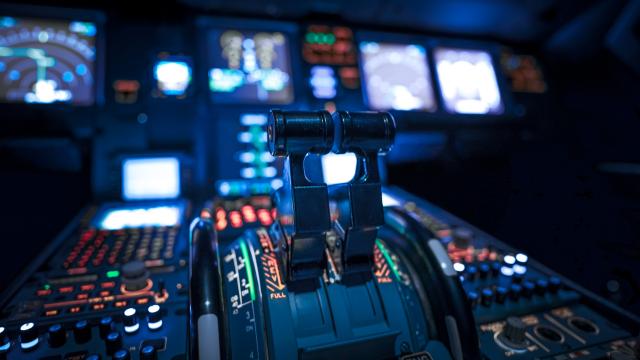
Aircraft systems combine mechanical, electrical and electronic technology.
This creates different maintenance specialisms.
Mechanical maintenance
Mechanical work can involve aircraft structures, engines, landing gear, flight controls, hydraulics, fuel systems and other mechanical or electro-mechanical systems.
Within UK Part-66, Category B1 routes are particularly associated with mechanical aircraft systems, although the exact privileges depend on the relevant sub-category.
Avionics maintenance
Avionics technicians concentrate more heavily on electronic and electrical aircraft systems.
These can include navigation, communications, instruments, flight control and other electronic systems.
Part-66 Category B2 is particularly relevant to avionics certification privileges.
Modern aircraft increasingly integrate software and electronics with traditional mechanical systems, so the boundary is not always absolute.
Both pathways require careful fault diagnosis and systematic thinking.
Essential Aircraft Maintenance Skills
Aircraft maintenance requires a combination of practical ability and technical reasoning.
Attention to detail
A missing fastener or incorrectly routed wire can have significant consequences.
Technicians need to follow procedures accurately even when tasks become familiar.
Routine can create complacency, which is one reason human factors form such an important part of aviation maintenance.
Mechanical aptitude
Technicians work with tools, assemblies, fasteners and components.
Good hand skills matter, particularly when access is restricted.
Some tasks require considerable precision.
Fault diagnosis
Maintenance professionals need to distinguish symptoms from causes.
An electrical warning may result from a failed sensor, wiring problem, connector defect or another system issue.
Replacing parts randomly is inefficient and potentially unsafe.
Technicians use technical data, test equipment and logical diagnosis to identify the underlying fault.
Mathematics and science
You do not need to become a theoretical physicist, but aviation maintenance involves mathematics, electrical principles, materials, aerodynamics and mechanical systems.
The more advanced the role, the more useful these foundations become.
Communication
Maintenance teams rarely work in complete isolation.
Technicians communicate with supervisors, licensed engineers, flight crews, stores staff and other specialists.
Shift handovers are particularly important.
The incoming team needs to understand exactly what work has been completed and what remains outstanding.
Human Factors in Aviation Maintenance
Aircraft maintenance history has repeatedly shown that technically capable people can still make mistakes.
Fatigue, interruptions, time pressure and poor communication can all affect performance.
Human-factors training therefore examines how work is actually performed rather than assuming mistakes happen because people are careless.
Imagine a technician being interrupted halfway through a task.
If the maintenance system relies entirely on memory, something may be missed when the person returns.
Good procedures use documentation, task control and inspection processes to reduce that risk.
Shift work creates another challenge.
Aviation maintenance often operates overnight because airlines want aircraft available during the day.
Fatigue management is therefore highly relevant.
Professional Aviation Maintenance is ultimately about designing work so that human error is less likely to become an unsafe aircraft condition.
Safety and Tool Control
Aircraft hangars contain tools, chemicals, moving equipment and large machinery.
Technicians may work at height, inside confined spaces or around operating systems.
Personal safety matters, but Aviation Maintenance adds another dimension: anything accidentally left inside the aircraft can potentially become a flight-safety hazard.
Tool control is therefore taken extremely seriously.
Organisations may use structured systems to account for tools before an aircraft is released.
Foreign-object debris is another concern.
A loose item in the wrong area can damage aircraft systems.
Professional habits such as organised workspaces and careful tool accountability are part of technical competence.
How to Become an Aircraft Maintenance Technician in the UK
There are several possible routes.
The National Careers Service currently identifies university, college, apprenticeship and armed-forces pathways into aerospace engineering technician work, with aircraft maintenance technician listed as an alternative title.
For many learners, an apprenticeship is particularly attractive because maintenance competence depends heavily on workplace practice.
College route
Relevant courses may include aerospace and Aviation Maintenance, aircraft maintenance, mechanical engineering or electrical/electronic engineering.
A college qualification can provide technical foundations before applying for a trainee role.
The exact course should be selected according to the career route you want rather than simply because it includes “aviation” in the title.
University route
Some learners complete a foundation degree, HND or degree in subjects such as aeronautical, aerospace, mechanical, electrical or avionics engineering.
A degree can provide broader engineering knowledge and may create pathways into technical management or engineering development.
It is not automatically the fastest route to every maintenance occupation.
A degree in Aerospace Engineering also does not itself provide UK Part-66 certification privileges.
Armed forces How to Become an Aircraft Maintenance Technician
The RAF, Royal Navy and Army train personnel in aircraft engineering and maintenance roles.
Military experience can provide substantial technical development.
Civil licensing recognition should still be checked carefully if somebody later wants to move into regulated civil-aircraft certification.
Aircraft Maintenance Technician Apprenticeship
England currently has a Level 3 Aircraft Maintenance Technician apprenticeship approved for new starts.
Its typical training duration is 36 months, with an additional assessment period.
The standard combines practical workplace competence with defined technical qualifications.
Mandatory qualification pathways include Level 2 aerospace and Aviation Maintenance foundation competence and Level 3 development competence and technical-knowledge qualifications.
It can also incorporate the relevant UK Part-66 route.
Professional recognition is another useful feature.
The standard aligns with Engineering Technician recognition through the Royal Aeronautical Society, Institution of Engineering and Technology and Institution of Mechanical Engineers.
An apprenticeship therefore offers substantially more than an online completion certificate.
It involves employment, supervised practice, formal qualifications and assessment against occupational competence.
UK Part-66 Aircraft Maintenance Licence

Not every maintenance job immediately requires a Part-66 licence.
But certification responsibilities on relevant UK-registered Part 21 aircraft can require one.
The CAA issues UK Part-66 Aircraft Maintenance Licences across different categories and sub-categories.
For example, B1 routes broadly relate to mechanical aircraft systems, while B2 relates primarily to avionics.
A licence holder can only exercise the privileges relevant to their licence and applicable authorisations.
Knowledge requirements
Applicants have to demonstrate the required technical knowledge across specified modules.
The required subjects depend on the licence category.
Examinations can be completed through the CAA or appropriately approved UK Part-147 organisations.
Part-66 basic examination credits are normally valid for ten years under the current rules.
Experience requirements
A licence also requires practical maintenance experience.
For B1.1, B1.3 and B2 categories, for example, the CAA currently describes three possible experience routes.
Someone without recognised previous technical training may need five years of practical maintenance experience.
Completion of an approved Part-147 basic training course can reduce the requirement to two years.
This shows why approved training has regulatory value that an ordinary private maintenance course does not.
Part-147 Training
A Part-147 maintenance training organisation is an organisation approved under the Aviation Maintenance regulatory framework to provide specified aircraft-maintenance training and examinations.
This status should not be confused with general claims such as “aviation training provider” or “accredited course”.
The CAA maintains current lists of approved organisations and their specific approval scopes.
Those scopes matter.
An organisation may be approved for particular basic-training categories or particular aircraft type courses rather than everything connected with aircraft maintenance.
Anyone choosing formal Aircraft Maintenance Training UK for a licensing objective should therefore check the CAA approval directly.
Do not rely solely on a provider logo or course title.
Aircraft Type Training and On-the-Job Training
Obtaining a basic Part-66 licence is not necessarily the final stage for engineers who want certification privileges on specific aircraft.
The CAA explains that adding an aircraft type rating to a Category B1 or B2 AML requires appropriate theoretical and practical type training.
For the first aircraft type rating, on-the-job training is also normally required.
This makes sense.
Understanding general turbine aircraft systems does not automatically establish competence on a specific modern airliner.
Aircraft types have their own systems architecture, maintenance procedures and fault-diagnosis requirements.
Professional development therefore becomes increasingly specialised as responsibility grows.
Aircraft Maintenance Organisations and Part-145
Individual engineers operate within regulated organisational systems.
For relevant commercial aircraft maintenance, UK Part-145 approval is particularly important.
The CAA describes a Part-145 approved maintenance organisation as one authorised to perform maintenance in accordance with the applicable continuing-airworthiness regulation.
Approved organisations need procedures, competent personnel, facilities, tooling, quality systems and regulatory oversight appropriate to their work.
This creates an important distinction.
A licensed engineer’s personal qualification does not mean they can simply begin certifying maintenance independently outside an appropriate organisational framework.
Aviation safety is built through both individual competence and organisational control.
Aircraft Maintenance Training UK: Choosing the Right Course
The phrase Aircraft Maintenance Training UK can describe several very different products.
At one end are short awareness courses.
At the other are CAA-approved Part-147 programmes, regulated apprenticeships and formal engineering qualifications.
Before enrolling, decide what outcome you actually need.
If you want introductory knowledge because you are exploring the profession, a short private course may be appropriate.
If you want an apprenticeship, look for employers recruiting against the current occupational standard.
If your eventual objective is a UK Part-66 licence, investigate CAA knowledge and experience requirements before paying for training.
The most important question is not:
“Does this course give a certificate?”
It is:
“Does this course move me towards the qualification or competence required for my intended job?”
Using an Introductory Aircraft Maintenance Course
For someone who has never studied Aviation Maintenance maintenance, an introductory course can make the field less intimidating.
Learning Facility’s Aircraft Maintenance and Repair Training course introduces aircraft systems, engines, electrical systems, airframes, troubleshooting, safety and regulatory compliance.
It requires no formal qualification to start.
That makes it accessible for learners who want a broad overview before committing to a longer route.
Its completion certificate should, however, be understood carefully.
The current course page does not demonstrate that the programme itself is UK Part-147 approved or equivalent to the mandatory qualifications within the current Aircraft Maintenance Technician apprenticeship.
It therefore should not be treated as qualifying someone to certify aircraft or independently perform professional maintenance.
Its strongest role is as foundation learning.
Building Practical Experience
Aircraft maintenance cannot be learned entirely through reading or videos.
The workplace develops abilities that theory cannot reproduce fully.
Students need to handle actual tools, work around real aircraft and experience how maintenance documentation is used.
They also need to see how experienced technicians approach unusual defects.
Practical experience develops judgement.
For instance, textbooks can describe corrosion.
A technician gradually learns what different forms look like, where they commonly appear and when something requires escalation.
Supervised practice also develops speed without encouraging shortcuts.
The objective is not to work slowly forever.
It is to become efficient because the process has become familiar, not because necessary checks have been removed.
Aircraft Maintenance Careers UK
Aircraft Maintenance Careers UK extend across airlines, airports, maintenance organisations, manufacturers, business Aviation Maintenance helicopter operations and defence.
An entry-level maintenance technician may begin with supervised routine tasks.
With experience and further qualifications, progression can lead to senior technician or supervisory work.
Those who obtain the necessary Part-66 licence, ratings and company authorisation may move into certifying roles.
Avionics technician
Avionics specialists work heavily with electrical and electronic aircraft systems.
Modern aircraft use increasingly complex digital systems, creating continuing demand for people comfortable with electronics and fault diagnosis.
Licensed aircraft maintenance engineer
Licensed engineers can hold certification privileges appropriate to their licence and authorisation.
The level of responsibility is greater because their decisions can determine whether maintenance is certified for release.
Quality and compliance
Experienced maintenance professionals can also move into quality assurance, compliance monitoring or safety roles.
These jobs may involve audits, regulatory requirements, maintenance procedures and investigation of recurrent problems.
Management
Career progression can lead to planning, production control, maintenance management or technical leadership.
At that stage, understanding people, budgets and regulatory systems becomes as important as hands-on maintenance.
Salary and Working Conditions
The National Careers Service currently gives an indicative salary range of around £27,000 to £50,000 for aerospace engineering technicians, with aircraft maintenance technician included as an alternative title.
Actual aircraft-maintenance earnings vary widely.
Shift patterns, employer, licence privileges, aircraft type, location and responsibility can all affect pay.
Licensed and type-rated engineers may have very different salaries from entry-level technicians.
Working conditions also deserve consideration.
Maintenance can involve nights, weekends and public holidays because aircraft operate continuously.
Hangars can be noisy, and some tasks are physically demanding or involve awkward spaces.
People attracted only by aircraft may overlook these realities.
The profession suits people who also enjoy systematic technical work.
Common Mistakes When Starting an Aircraft Maintenance Career
One mistake is assuming every aviation maintenance course carries CAA recognition.
It does not.
Another is assuming an aerospace engineering degree automatically makes someone a licensed aircraft maintenance engineer.
It does not.
The Part-66 framework has its own knowledge and practical-experience requirements.
Beginners also sometimes focus entirely on mechanical skills while underestimating documentation.
Maintenance records are part of airworthiness.
Finally, do not rush towards certification responsibility.
Aviation maintenance deliberately requires substantial experience because professional judgement develops through repeated exposure to real tasks and defects.
Progression is supposed to take time.
The Future of Aviation Maintenance
Aircraft maintenance is becoming increasingly digital.
Modern aircraft already produce substantial amounts of health-monitoring data.
Maintenance organisations can use this information to identify trends and plan work before a failure occurs.
Predictive maintenance may become increasingly important.
Instead of replacing a component solely because a fixed interval has arrived, data can help engineers understand how systems are actually performing where regulations and approved maintenance programmes permit.
Electric and hybrid aircraft
New propulsion technologies will gradually change the knowledge maintenance teams need.
Electric aircraft bring different high-voltage systems, batteries and thermal-management challenges.
Hybrid technologies combine electrical and conventional propulsion expertise.
Traditional mechanical skills will remain valuable, but electrical competence is likely to become increasingly important.
Advanced materials
Composite structures are already common in modern aircraft.
Inspection and repair differ from traditional metal structures.
Technicians therefore need continuing training as aircraft materials evolve.
AI and diagnostic support
Artificial intelligence may help analyse maintenance records and fault data.
It could suggest likely causes or highlight patterns humans might miss.
But a diagnostic suggestion does not certify an aircraft.
Regulated maintenance still depends on approved data, competent personnel and accountable decision-making.
Technology can support technicians.
It does not remove professional responsibility.
Key Takeaways
Aircraft maintenance technicians inspect, service, repair and test aircraft systems while working to controlled technical procedures.
An aircraft maintenance technician is not automatically the same as a licensed aircraft maintenance engineer with certification privileges.
England’s current Level 3 Aircraft Maintenance Technician apprenticeship typically takes 36 months and combines workplace experience with mandatory technical and competence qualifications.
A UK Part-66 AML requires specified knowledge and practical experience. Part-147 approved training can shorten some experience requirements and provides a regulatory route that ordinary private courses do not.
Aerospace Engineering is related but generally broader and can focus more heavily on design, development and analysis.
Short introductory courses can help learners explore Aviation Maintenance, but professional competence ultimately depends on formal training, supervised experience and the appropriate regulatory pathway.
FAQ
What does aircraft maintenance involve?
What does aircraft maintenance involve? It includes inspecting, servicing, testing, fault-finding, repairing and replacing aircraft components and systems. Technicians may work on engines, structures, electrical systems, avionics, landing gear or other equipment while following approved maintenance instructions and completing technical records.
How do I become an aircraft maintenance technician in the UK?
You can enter through college, university, an apprenticeship or military training. England currently has a Level 3 Aircraft Maintenance Technician apprenticeship that typically takes 36 months. The best route depends on whether you want technician work, licensed certification privileges or broader engineering responsibilities.
Do I need a degree to work in aircraft maintenance?
Not necessarily. Apprenticeships and technical college routes are common. A degree can be valuable for broader engineering careers, but it is not compulsory for every aircraft-maintenance technician role.
What qualifications do aircraft maintenance technicians need?
Requirements vary by employer and responsibility. Technicians may hold aerospace or aviation vocational qualifications and apprenticeship credentials. Certain certification responsibilities require a UK Part-66 Aircraft Maintenance Licence and the relevant category or aircraft ratings.
What is a UK Part-66 licence?
A UK Part-66 Aircraft Maintenance Licence is issued by the CAA and allows holders to exercise specified aircraft-maintenance certification privileges within their licence category, subject to the applicable ratings and organisational authorisation.
What is Aircraft Maintenance Inspection?
Aircraft Maintenance Inspection involves checking aircraft structures, systems and components for defects, deterioration or non-compliance. Methods can range from visual examination to specialised non-destructive testing. Inspection results need to be assessed against approved maintenance data and documented correctly.
Is Aerospace Engineering the same as aircraft maintenance?
No. Aerospace Engineering can involve aircraft and spacecraft design, research, testing and development. Aircraft maintenance is more directly concerned with keeping operational aircraft airworthy through inspection, servicing, repair and fault diagnosis. There is overlap in technical knowledge but the professions are distinct.
What is the best Aircraft Maintenance Training UK route?
For someone aiming at a professional maintenance career, an approved apprenticeship or formal aviation-maintenance qualification with substantial workplace experience is usually more relevant than a short online course. Those seeking a Part-66 AML should check CAA requirements and whether training is provided through an appropriately approved Part-147 organisation.
Can an online aircraft-maintenance course qualify me as an aircraft engineer?
Not by itself. Online learning can introduce aircraft systems and maintenance principles, but professional aircraft-maintenance competence requires practical experience. UK Part-66 licensing has formal knowledge and experience requirements, and certification privileges cannot be obtained simply through a general completion certificate.
What careers are available in aircraft maintenance?
Aircraft Maintenance Careers UK can include aircraft maintenance technician, avionics technician, licensed aircraft engineer, maintenance planner, quality or compliance specialist, supervisor and maintenance manager. Further engineering study can also support progression into wider aerospace roles.

Conclusion
Learning How to Become an Aircraft Maintenance Technician starts with understanding that aircraft maintenance is both a practical engineering profession and a highly controlled aviation-safety activity.
Technicians work directly with aircraft structures, engines, electrical systems and avionics. They perform Aircraft Maintenance Inspection, investigate faults, replace components and maintain detailed technical records. Strong practical ability matters, but so do human factors, documentation and disciplined adherence to approved procedures.
There are several routes into Aircraft Maintenance Careers UK. College and university study can provide technical foundations, while England’s current Level 3 Aircraft Maintenance Technician apprenticeship combines formal qualifications with the workplace experience that the profession depends on.
For learners who eventually want certification responsibilities, the UK Part-66 route becomes particularly important. Knowledge examinations, practical experience, Part-147 training where applicable and later aircraft type training can all form part of professional progression.
The linked Learning Facility course can provide an accessible introduction to Aviation Maintenance, aircraft systems and repair principles for someone exploring the field. It should not, however, be mistaken for CAA-approved Part-147 training, an aircraft-maintenance apprenticeship or a UK Part-66 licence.
Aircraft technology will continue changing through digital diagnostics, advanced materials and new propulsion systems. The underlying professional standard will remain much more stable: understand the aircraft, follow approved data, inspect carefully and never certify or release work beyond the limits of your competence and authority.