

An airline may sell thousands of tickets months before departure, but every flight ultimately depends on a much more immediate question: can the aircraft, crew, airport resources and operating conditions come together safely and legally at the right time?
That is the practical challenge behind Airline Management and Operations.
Running an airline requires far more than pilots and cabin crew. Operations teams coordinate aircraft schedules, crew availability, maintenance status, weather, fuel planning, airport restrictions, passenger requirements and unexpected disruption. Commercial teams may decide where the airline wants to fly, but operational teams determine whether the day’s programme can actually be delivered.
For people interested in Aviation Operations Careers UK, this creates a wide range of pathways. Some professionals work in airline operations-control centres. Others specialise in flight operations, crew planning, aircraft dispatch, ground handling, safety or airport management.
The field is highly interconnected. A delayed aircraft can affect the next flight, the crew operating it, passengers connecting elsewhere and even tomorrow morning’s programme.
Understanding airline operations therefore means learning to see aviation as a system rather than a collection of individual flights.
What Is Airline Management and Operations?
Airline Management and Operations covers the planning, control and coordination required to operate an airline safely, legally and commercially.
The management side looks at the wider organisation.
This can include strategy, finances, network planning, customer service, people, safety, regulation and performance.
Operations concentrates more directly on delivering flights.
That includes ensuring aircraft are available, crews are properly qualified and rested, flight plans can be completed, airports can support the operation and disruptions are managed effectively.
The two cannot be completely separated.
A commercial decision to launch a new route may require additional pilots, new airport contracts, training, aircraft allocation and regulatory approvals.
A financially attractive idea is not necessarily operationally practical.
Strong airline management therefore links commercial ambition with operational reality.
How Does an Airline Operation Actually Work?
A passenger normally sees only a small part of airline operations.
They check in, pass through security, board and fly.
Behind that journey, several teams have already performed substantial work.
The airline’s network and scheduling teams decide when and where aircraft should fly. Crew planners assign pilots and cabin crew. Maintenance teams monitor aircraft airworthiness. Flight operations examine weather, routes, fuel requirements and operating information.
At the airport, ground teams manage passengers, baggage, cargo, fuelling, catering and aircraft turnaround.
Operations-control staff monitor the entire programme.
If everything works as planned, these functions remain almost invisible.
When something changes, their interdependence becomes obvious.
Suppose an aircraft develops a technical defect.
Maintenance needs to establish whether it can be rectified quickly. Operations may investigate another aircraft. Crew control needs to determine whether the existing crew can remain within duty limits. Ground teams need updated departure information, while passenger teams manage connections and expectations.
One defect can therefore create decisions across the airline.
The Operations Control Centre
Large airlines commonly coordinate day-to-day flying through an operations-control environment.
The exact name varies. You may encounter terms such as Operations Control Centre, Integrated Operations Control Centre or Network Control Centre.
Its purpose is to maintain a real-time picture of the operation.
Teams may monitor:
- aircraft location and availability;
- delays;
- weather;
- crew legality;
- technical restrictions;
- airport disruption;
- air traffic restrictions; and
- passenger consequences.
The control centre becomes particularly important when the published schedule begins to unravel.
Its job is not simply to preserve every flight at any cost.
Sometimes the best network decision is to cancel one service early so that an aircraft and crew can protect several later flights.
That can feel counterintuitive to passengers on the cancelled flight.
Operational management often involves choosing the least damaging option rather than discovering a solution with no negative consequences.
Airline Flight Management
The phrase Airline Flight Management can describe the operational processes used to prepare, monitor and support flights.
It should not be confused with a pilot’s flight-management computer.
At airline level, flight management can include operational flight planning, weather assessment, routing, fuel planning, notices affecting the flight, aircraft performance and monitoring once the aircraft is airborne.
Flight planning
A commercial flight requires more than drawing a straight line between two airports.
Planners need to consider the available route structure, winds, weather, airspace restrictions, destination and alternate airports, aircraft performance and required fuel.
The final operational flight plan supports the flight crew’s decision-making.
The captain retains the responsibilities assigned to the commander under applicable aviation rules.
Ground operations staff support that process rather than replacing the commander’s judgement.
Weather
Weather can affect every stage of flight.
Strong winds may change runway use.
Thunderstorms can require significant route deviations.
Fog can reduce airport capacity.
Snow may affect aircraft de-icing and runway operations.
Operations staff therefore need to understand weather as an operational constraint, even when they are not professional meteorologists.
Notices and operational information
Flights also depend on current aeronautical information.
Runways may be closed. Navigation equipment can be unavailable. Airspace restrictions may be introduced.
Operational staff need systems that ensure crews receive relevant, current information without overwhelming them with unnecessary material.
The Air Operator Certificate
One of the most important ideas in UK airline regulation is the Air Operator Certificate.
An Airline Management and Operations cannot simply buy aircraft, recruit pilots and begin commercial passenger services.
For applicable commercial air transport, the operator needs a CAA-issued AOC demonstrating that it can conduct the proposed operations safely.
The certification process examines the organisation rather than only the aircraft.
The CAA looks at management structure, nominated personnel, operations manuals, safety management, compliance monitoring, operational control, training and resources.
The operator also needs to demonstrate that the aircraft and continuing-airworthiness arrangements meet applicable requirements.
An AOC is therefore evidence that the organisation has demonstrated an appropriate operational system within its approved scope.
It is not an award for completing an airline-management course.
Operating Licence vs AOC
These terms are sometimes incorrectly treated as interchangeable.
They perform different functions.
The CAA explains that an Operating Licence relates primarily to the commercial air carrier itself, including ownership and financial matters.
The AOC concerns operational safety and competence.
An airline performing commercial air transport may need both.
This illustrates why Airline Management requires several kinds of expertise.
A safety specialist, finance director and flight-operations manager may all contribute to the airline’s ability to operate legally, but they solve different regulatory problems.
Aviation Operations Management
Aviation Operations Management is broader than Airline Management and Operations flight operations alone.
The term can cover operational management within airlines, airports, ground-handling companies, military aviation, heliports and other aviation environments.
Skills England’s current Level 4 Aviation Operations Manager apprenticeship reflects this breadth.
It includes specialist options covering aircraft handling, aircraft movements, passenger operations and flight operations.
Across these different functions, several themes recur:
safe operation, regulatory compliance, security, resource management, communication and disruption management.
That is a useful way to understand the profession.
The technology and tasks vary, but the manager’s basic responsibility is to coordinate people and resources so the operation remains safe, compliant and effective.
Airline Operations vs Airport Operations
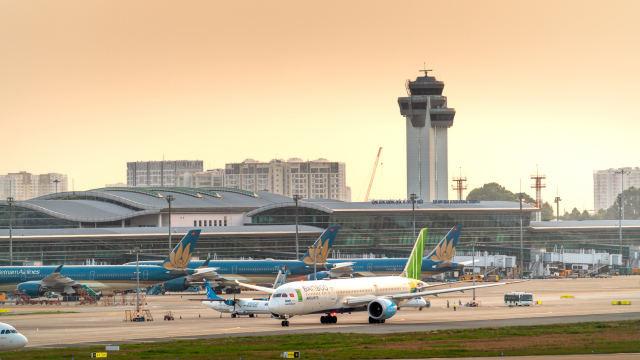
Airline Management and Operations and airports depend on each other but are not the same business.
An airline operates aircraft and carries passengers or cargo.
An airport provides infrastructure and services that allow many Airline Management and Operations s and other users to operate.
Airline operations
Airline operational teams may focus on:
- aircraft utilisation;
- flight planning;
- crew;
- maintenance coordination;
- disruption;
- network performance; and
- passenger consequences.
Airport Operational Management
Airport Operational Management focuses more heavily on the airport environment.
That can include stands, runways, taxiways, terminal operations, airside vehicle activity, emergency planning, passenger flows and coordination between airlines, ground handlers and other stakeholders.
Consider a thunderstorm closing part of an airport.
The airport has to manage infrastructure and overall airfield consequences.
Each Airline Management and Operations then has to manage what that disruption means for its own aircraft, crews and passengers.
The problems overlap but the organisations retain different responsibilities.
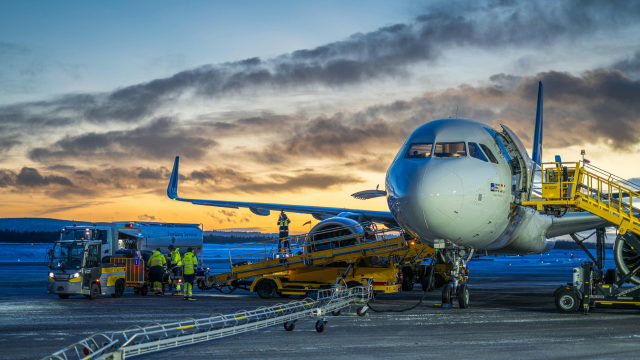
Aircraft Turnaround Management
The turnaround is the period between an aircraft arriving and departing again.
For short-haul airlines in particular, a turnaround may involve intense activity within a relatively small amount of time.
Passengers leave the aircraft.
Baggage and cargo are unloaded.
Cleaners, caterers and fuel teams may arrive.
New baggage is loaded.
Passengers board.
Technical inspections or minor maintenance may also be completed.
All of these activities need coordination.
A delay in one can affect the whole departure.
For example, boarding passengers early does not help if baggage loading is incomplete and the aircraft cannot depart.
Good turnaround management therefore focuses on dependencies rather than individual task speed.
Safety also remains essential.
Trying to recover ten minutes through poorly coordinated ground activity can create considerably larger problems if equipment damages the aircraft.
Ground Handling and Dispatch
Ground handling connects the aircraft with the airport operation.
Depending on the airline and airport, work may be performed by the airline itself or contracted to specialist ground-handling providers.
Dispatch and operations agents can coordinate departure paperwork and the turnaround.
The CAA’s aviation-careers material describes operations and dispatch agents as managing arrival and departure activity, communicating with flight and cabin crew, coordinating passenger, baggage and cargo information and supporting an on-time departure.
This work requires close attention to detail.
Weight, balance, fuel and loading information can have direct operational significance.
A flight should never depart simply because everyone is eager to avoid a delay.
Required procedures need to be completed properly.
Crew Management
Aircraft do not operate without appropriately qualified pilots and cabin crew.
Crew planning therefore sits at the heart of Airline Management and Operations operations.
Teams need to schedule people while considering qualifications, aircraft types, bases, training, leave, rest and applicable flight-time limitations.
The difficulty becomes clearer during disruption.
If the aircraft departs three hours late, the crew’s allowable duty does not automatically extend simply because passengers are waiting.
The Airline Management and Operations may need another crew.
That replacement may then be unavailable for a later flight.
Crew management therefore has network-wide consequences.
This is why operational teams need to understand fatigue and crew legality as safety issues, not just staffing inconveniences.
Aircraft Maintenance and Operational Control
Airline operations and maintenance are deeply connected.
An aircraft may be perfectly safe to operate even though one item of installed equipment is temporarily inoperative, provided the applicable rules, Minimum Equipment List and procedures allow that operation.
The operational team therefore needs accurate technical information.
A defect may restrict where the aircraft can fly or under what weather conditions.
Another defect may remove the aircraft from service entirely.
Operations control needs to understand the consequence without attempting to make engineering decisions outside its competence.
Maintenance staff establish the technical status.
Operations determine what that status means for the schedule.
Clear communication between the two is essential.
Aviation Safety Management
Commercial pressure is unavoidable in airlines.
Aircraft generate revenue when flying, passengers expect punctuality and disruption can be extremely expensive.
Safety management exists partly to ensure those pressures do not quietly weaken operational standards.
The CAA describes an SMS as a systematic and proactive approach to safety risk.
For an Airline Management and Operations, this involves identifying hazards, assessing their significance, introducing controls and monitoring whether those controls work.
Operational staff contribute directly.
Repeated unstable rosters, frequent rushed turnarounds or recurring operational mistakes may reveal wider system weaknesses.
An effective safety culture encourages those patterns to be identified before they lead to serious events.
Airline Management and Operations performance cannot therefore be judged only by punctuality or cost.
Safety remains a fundamental measure of successful operations.
Compliance and the Operations Manual
Airline Management and Operations rely heavily on written operating procedures.
The operations manual establishes how the operator intends to comply with applicable requirements and conduct its activities.
For an AOC application, the CAA expects detailed operations-manual material and assesses whether organisational processes meet regulatory requirements.
The manual is not something written for certification and then forgotten.
It needs to remain current.
Operational staff should understand the parts relevant to their responsibilities and know where to find procedures when unusual circumstances arise.
This becomes especially important during disruption.
When time pressure rises, clear procedures reduce the temptation to improvise.
Managing Disruption
Disruption is where Airline Management and Operations becomes most visible.
Weather, technical defects, airport closures, air traffic restrictions, crew sickness and security incidents can all interfere with the schedule.
Good disruption management begins with situational awareness.
Teams need to know what has happened, which flights are affected and which resources remain available.
Then they need to prioritise.
Consider an airline with one unavailable aircraft and five remaining flights.
The immediate temptation may be to delay all five and hope the aircraft becomes available.
Another strategy might cancel one flight, redistribute passengers and use available aircraft to protect the rest of the programme.
Which approach is better depends on factors such as maintenance estimates, crew limitations, passenger connections, airport curfews and the next day’s schedule.
Operational control is therefore an exercise in trade-offs.
Customer Service Is Part of Operations
Airline Management and Operations cannot treat passengers as an afterthought.
A technically elegant recovery plan may create major customer problems.
If an aircraft is swapped for a smaller one, some passengers may no longer have seats.
If a flight is delayed overnight, accommodation or assistance obligations can arise depending on the circumstances and applicable passenger-rights rules.
Communication matters as much as the operational decision.
Passengers tolerate disruption more easily when they receive accurate information.
The problem is that operations teams themselves may initially be uncertain.
Good communication therefore avoids invented certainty.
It is better to explain what is known and when the next update will come than repeatedly announce departure times that the airline cannot realistically meet.
The Skills Needed in Airline Operations
People working in Airline Management and Operations need a mix of technical understanding and human judgement.
Situational awareness
An operations professional needs to understand how several events interact.
Focusing completely on one delayed aircraft can cause larger consequences elsewhere.
Communication
Operational information moves quickly between pilots, engineers, ground staff, crew control, airports and management.
Messages need to be concise and accurate.
Analytical thinking
Airline Management and OperationsAirlines generate substantial data.
Operations staff need to interpret timings, resources, restrictions and performance information rather than simply following intuition.
Decision-making
Some situations require rapid decisions with incomplete information.
The professional needs to identify what cannot be compromised and where flexibility exists.
Resilience
A calm shift can become chaotic within minutes.
Remaining methodical during disruption is far more valuable than simply appearing confident.
Commercial awareness
Safe and legal operation comes first, but Airline Management and Operations staff should also understand cost and customer consequences.
The strongest operational decision is often one that protects safety while minimising wider disruption.
How to Start a Career in Airline Operations
If you are researching How to start a career in airline operations, begin by looking at entry-level job families rather than searching only for “airline operations manager”.
Management normally comes after operational experience.
Possible starting roles include operations assistant, dispatch agent, ground operations agent, crew scheduling assistant, passenger operations worker or flight operations support.
These jobs allow beginners to understand how Airline Management and Operations and airports function in practice.
Apprenticeships
England currently has structured apprenticeship routes.
The Level 3 Aviation Ground Specialist apprenticeship includes options such as Flight Operations, Aircraft Handling, Aircraft Movement and Passenger Operations.
The Level 4 Aviation Operations Manager apprenticeship provides a higher-level route and includes Flight Operations Manager – Operations among its specialist options.
Employers set the specific entry requirements.
Apprenticeships can be particularly useful because aviation operations is difficult to learn entirely from a classroom.
Real disruption, shift handovers and aircraft turnarounds develop judgement that theoretical examples cannot fully reproduce.
College or university
Degrees in aviation management, air transport management, logistics, business or related subjects can provide broader knowledge.
They are not mandatory for every operations role.
A degree also does not replace the role-specific training required by an employer.
Employers may value operational experience, communication skills and evidence that a candidate understands the realities of shift-based aviation work.
Using an Introductory Airline Operations Course
A short course can help somebody decide whether the field interests them before pursuing a longer programme.
Learning Facility’s Airline Operations Online Training introduces airline scheduling, ground operations, customer service, regulatory compliance and wider airline-management principles.
No formal qualification is required to begin.
That makes the programme accessible to career changers, travel-and-tourism learners and people exploring aviation.
Its completion status should nevertheless be interpreted appropriately.
The course provides a Learning Facility PDF certificate, but the reviewed page does not identify a regulated aviation qualification or CAA approval.
It should therefore be seen as introductory professional development rather than a qualification that automatically makes somebody an airline operations manager or flight operations specialist.
The best next step is to combine introductory learning with real operational experience or an appropriate recognised education or apprenticeship route.
Aviation Operations Careers UK
Aviation Operations Careers UK cover more roles than many beginners expect.
Operations and dispatch agent
This role helps coordinate an aircraft’s arrival, turnaround and departure.
It can involve paperwork, crew communication, load information and liaison with ground teams.
Flight operations specialist
A flight operations role may support flight planning, weather information, documentation and operational monitoring.
Responsibilities vary significantly between Airline Management and Operations.
Crew planner or controller
Crew teams manage rostered pilots and cabin crew and solve staffing problems when disruption occurs.
Operations controller
Controllers monitor the live flying programme and coordinate responses to operational problems.
Experience and sound decision-making are particularly important.
Airport operations professional
Airport-focused staff work more directly with infrastructure, passenger operations, airside activity and airport-wide coordination.
Airline operations manager
Managers lead teams, allocate resources, monitor standards and take responsibility for operational performance and compliance within their area.
The route to management usually develops through experience rather than one course alone.
Airline Management Beyond Flight Operations
Airline Management extends beyond the operations-control room.
An Airline Management and Operations is also a complex commercial organisation.
Network planners decide which routes might be viable.
Revenue teams manage fares.
Finance teams oversee budgets and cash requirements.
Marketing attracts customers.
HR recruits and develops employees.
Engineering departments keep aircraft airworthy.
Operations connects many of these functions because eventually every commercial plan has to become a real flight.
A good airline manager therefore needs to understand interdependence.
A decision to increase aircraft utilisation may improve revenue potential but leave less recovery time after delays.
Reducing spare-aircraft availability can lower cost while making the operation more fragile.
Management involves understanding those trade-offs.
Technology and Smart Airline Operations
Modern airline operations increasingly depend on sophisticated software.
Systems can track aircraft, generate flight plans, manage crew, monitor weather and predict disruption.
Airlines are also experimenting with artificial intelligence and optimisation.
These technologies can evaluate far more scenarios than an individual controller could calculate manually.
For example, software might identify which aircraft swap protects the greatest number of passengers while remaining compatible with crew and maintenance constraints.
That can improve decision-making.
But software needs an objective.
If the system is optimised only for cost, it may recommend an operationally fragile solution.
Human managers still need to understand the assumptions and judge whether the recommendation makes sense.
Sustainability and Airline Operations
Sustainability also increasingly influences operational decisions.
More efficient flight planning can reduce unnecessary fuel burn.
Aircraft weight, routing, ground operations and taxiing can all affect fuel consumption.
New aircraft technology and sustainable aviation fuels may reduce emissions over time, but operational efficiency remains relevant with the existing fleet.
This does not mean every delay should be avoided by flying faster.
Recovering time through higher cruise speed can increase fuel consumption.
Operations teams may therefore balance punctuality, fuel, passenger effects and network consequences.
Sustainable airline operations are another example of management involving several objectives simultaneously.
Common Mistakes About Airline Operations
One mistake is assuming flight operations means air traffic control.
ATC is a separate regulated profession responsible for managing aircraft movement and separation within its responsibilities.
Airline flight operations support the operator’s own flights.
Another mistake is assuming airline operations and airport operations are identical.
The Airline Management and Operations manages its aircraft and passengers, while the airport manages the shared environment in which many operators function.
Beginners may also overestimate the value of certificates without experience.
Knowing airline terminology is useful.
Being able to manage a real disruption safely under pressure requires considerably deeper competence.
Finally, do not assume that punctuality overrides everything else.
A flight that departs late but safely and legally is a much better operation than one that achieves its slot by compromising procedure.
Future Trends in Airline Flight Management
Airline operations will become increasingly predictive rather than purely reactive.
Data can help identify likely disruption before it fully develops.
Weather systems, aircraft health information, crew availability and airport congestion can feed into integrated operational platforms.
Artificial intelligence may recommend network-recovery strategies within seconds.
Airlines may also integrate passenger consequences more deeply into operational decisions.
Instead of asking only which option restores the aircraft schedule fastest, the system may consider missed connections and overall customer disruption.
Automation will change operational jobs.
It is less likely to eliminate them completely.
As software handles routine calculations, human professionals may spend more time evaluating exceptions and managing unusual events.
Judgement becomes more important when the easy decisions are automated.
Key Takeaways
Airline Management and Operations links commercial planning with the practical delivery of safe, legal and reliable flights.
UK commercial air transport operators normally require the appropriate CAA AOC, and relevant airlines may also require an Operating Licence. The two serve different purposes.
Airline Flight Management can include flight planning, weather, fuel, operational information and real-time flight support.
Aviation Operations Management extends beyond airlines and can include ground handling, passenger operations, aircraft movements and wider airport activities.
Airport Operational Management deals with the shared airport environment and should not be confused with an airline’s own operational control.
Short introductory courses can build knowledge, but real professional competence develops through structured training, operational experience and role-specific assessment.
FAQ
What is airline operations management?
Airline operations management is the coordination of aircraft, crew, flight planning, maintenance status, airports, ground services and disruption so an airline can deliver its schedule safely and legally. It operates within the airline’s broader commercial and regulatory management system.
What does an airline operations manager do?
Responsibilities vary, but an operations manager may lead operational teams, allocate resources, monitor compliance and performance, oversee disruption and ensure procedures are followed. Senior roles generally require substantial operational experience rather than only theoretical training.
What is Airline Flight Management?
Airline Flight Management refers broadly to the planning, support and monitoring of airline flights. It can involve routing, weather, fuel planning, flight documentation, operational restrictions and coordination between ground operations and flight crew.
What is the difference between airline operations and airport operations?
Airline operations manage an airline’s aircraft, flights, crews and passengers. Airport operations manage the common airport environment used by multiple airlines and organisations. The two work closely together but have separate responsibilities.
What qualifications do I need for airline operations?
Requirements vary widely by role. Entry-level operations and ground roles may accept school or college qualifications followed by employer training, while apprenticeships and degrees offer structured alternatives. Management positions normally require additional experience and responsibility.
How to start a career in airline operations?
How to start a career in airline operations depends on your preferred area. Look at entry roles in flight operations, dispatch, ground handling, passenger operations or crew scheduling. Apprenticeships such as England’s Level 3 Aviation Ground Specialist can provide structured training, while aviation-management study can support broader development.
What skills are important in Aviation Operations Management?
Important skills include communication, situational awareness, analytical thinking, decision-making, teamwork, regulatory awareness and the ability to remain calm during disruption. Managers also need leadership, resource-management and performance-management abilities.
Is airline operations a good career in the UK?
It can suit people who enjoy aviation, fast-moving decisions and teamwork. Aviation Operations Careers UK range from dispatch and crew planning to control-centre and management roles. Some jobs involve shifts, nights, weekends and considerable operational pressure, so the working pattern should be considered alongside the attraction of the industry.
Is an airline operations course enough to become an operations manager?
Usually not. An introductory course can develop knowledge and demonstrate interest, but airline-operations management normally requires practical experience, employer-specific systems knowledge and competence in safety, compliance and operational decision-making.
Will AI replace airline operations staff?
AI is likely to automate more flight-planning, disruption-analysis and optimisation tasks. Human professionals will still need to interpret unusual situations, balance competing objectives, understand safety implications and coordinate decisions across people and organisations.

Conclusion
Airline Management and Operations is the process of turning an airline’s commercial schedule into thousands of safe, legal and workable flights.
That requires constant coordination.
Airline Flight Management supports individual flights through planning, weather, fuel and operational information. Crew teams ensure appropriately qualified people are available. Maintenance determines aircraft technical status. Ground teams manage turnarounds, while operations controllers bring those pieces together when the plan changes.
The work also sits within a demanding regulatory framework. UK commercial air transport operators need the appropriate organisational approvals, including an AOC, and the CAA assesses management systems, operational control, training, compliance and continuing competence rather than focusing only on aircraft.
For people asking How to start a career in airline operations, there is no single compulsory route. Entry-level airline or airport roles, apprenticeships and aviation-related education can all provide useful starting points. England currently offers structured Level 3 and Level 4 aviation operations apprenticeship pathways, while employers provide substantial role-specific training.
The linked Learning Facility course can offer an accessible introduction to scheduling, ground operations, compliance and Airline Management concepts. Its role is best understood as foundation learning rather than a substitute for recognised occupational training or operational experience.
The distinction between Aviation Operations Management and Airport Operational Management is also worth remembering. Airlines manage their own flight programmes, while airports coordinate the environment in which many operators work. Successful aviation depends on both.
As technology becomes more predictive, many routine calculations will become automated. Yet the central challenge of Aviation Operations Careers UK will remain deeply human: understand the situation, identify what cannot be compromised and make a good decision when several imperfect options are competing for attention.