3. Embroidery Design & Techniques
Overview
Develop creative skills, practical expertise, and professional knowledge with this comprehensive Embroidery Course, designed to help you explore the art of embroidery and turn your creativity into beautifully crafted designs. Whether you want to learn embroidery as a personal skill, enhance your artistic abilities, or pursue opportunities in the fashion and textile industry, this course will help you build a strong foundation and develop the confidence to create embroidery work with purpose and precision.
Embroidery is more than a decorative craft. It is a versatile design skill used in fashion, clothing, accessories, home décor, textile production, and artistic expression. With the right knowledge and practical understanding, you can transform ordinary fabrics into distinctive pieces that reflect creativity, craftsmanship, and individual style. This course introduces you to the essential principles of Embroidery Design, helping you understand how different techniques, patterns, materials, and creative approaches come together to produce attractive and professional-looking results.
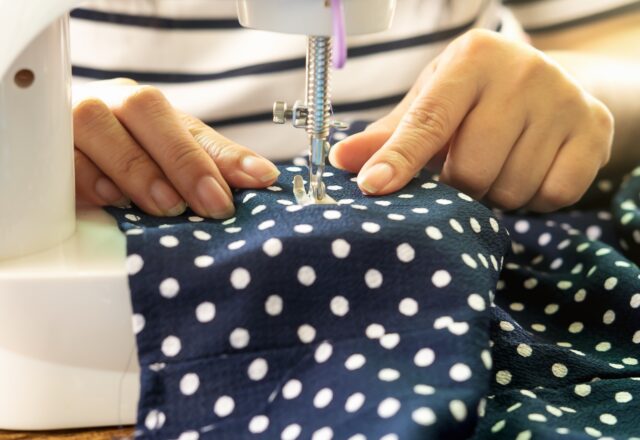
Through structured Embroidery Training, you will develop an understanding of both traditional and modern embroidery practices. You will explore the creative possibilities of Hand Embroidery Techniques and gain awareness of how Machine Embroidery contributes to contemporary textile and fashion applications. This combination will help you appreciate the flexibility of embroidery as a creative discipline and understand how different methods can be used to achieve different design outcomes.
One of the key benefits of this course is its focus on developing your ability to think creatively and make informed design decisions. You will learn how to approach embroidery projects by considering visual balance, patterns, colour combinations, fabric suitability, and overall presentation. These skills can help you move beyond basic decorative work and begin developing embroidery designs that are more organised, expressive, and suitable for different purposes.
You will also gain a broader understanding of how embroidery connects with fashion, textiles, art, and craft. This knowledge can help you recognise opportunities to apply your skills in practical projects, personalise clothing, create decorative textile products, and explore your own artistic style. Whether your interest lies in traditional craftsmanship or modern fashion applications, the course will help you understand the creative and professional potential of embroidery.
Beyond developing your creative abilities, this course introduces the professional side of embroidery. You will gain insight into how embroidery skills can support small business opportunities, independent creative projects, and professional work within the textile and fashion sectors. You will also develop a better understanding of the importance of quality, consistency, creativity, and professional presentation when working on embroidery products.
By the end of this course, you will have a clearer understanding of embroidery as both an art form and a practical skill. You will be better prepared to explore different embroidery methods, develop original design ideas, work on creative textile projects, and identify opportunities to use your knowledge in personal or professional settings. Whether you are starting from scratch or looking to expand your creative capabilities, this course provides a valuable starting point for developing your embroidery knowledge and skills.
Who Is This For?
This Embroidery Course is suitable for individuals who want to develop practical creative skills, explore textile design, or understand how embroidery can be used in personal projects and professional environments. It is designed to accommodate learners with different interests and experience levels, making it a useful learning opportunity for beginners as well as those who want to strengthen their existing knowledge.
This course is particularly suitable for:
-
Beginners Interested in Embroidery: Individuals who want to explore embroidery from the beginning and develop an understanding of its creative possibilities. You will gain the foundational knowledge needed to approach embroidery projects with greater confidence and develop your skills over time.
-
Aspiring Fashion Designers: Individuals interested in clothing, garment decoration, and textile design who want to understand how embroidery can enhance fashion products. You will gain knowledge that can support your creative ideas and help you incorporate decorative elements into clothing and fashion concepts.
-
Creative Hobbyists and Craft Enthusiasts: People who enjoy handmade crafts and want to develop a more structured understanding of embroidery. You can use the knowledge gained to personalise clothing, create decorative pieces, and explore new ways of expressing your creativity through fabric and thread.
-
Textile and Fabric Enthusiasts: Individuals interested in fabrics, patterns, and decorative textile applications who want to expand their understanding of embroidery. You will learn how embroidery contributes to the appearance and creative value of textile products.
-
Aspiring Embroidery Designers: Individuals who want to develop their ability to create attractive and original embroidery patterns. The course will help you understand the design considerations involved in producing embroidery work that is visually appealing and suitable for different applications.
-
Handmade Product Creators: People interested in creating personalised clothing, accessories, decorative fabrics, and other handmade products. You will gain knowledge that can help you explore embroidery as an additional creative skill and expand the types of products you can develop.
-
Small Business Owners and Entrepreneurs: Individuals who want to explore embroidery as a potential business opportunity. You will gain an understanding of how embroidery can be applied to customised products, creative services, and handmade merchandise.
-
Students and Career Explorers: Individuals considering opportunities in fashion, textile design, handicrafts, or creative industries who want to develop relevant knowledge and discover possible career directions.
Whether you want to develop a rewarding creative hobby, strengthen your fashion-related knowledge, or explore a future in the textile and craft industry, this course can help you take a meaningful step towards your goals.
Requirements / Prerequisites
One of the advantages of this Embroidery Training course is that you do not need extensive previous experience or professional knowledge to get started. It is suitable for beginners who are interested in learning about embroidery and developing their creative abilities through structured learning.
To get the most out of this course, you should have:
-
An Interest in Creative Activities: A genuine interest in art, crafts, fashion, textiles, or handmade products will help you enjoy the learning experience and stay motivated as you explore different embroidery applications.
-
A Willingness to Learn: You should be open to understanding different embroidery methods, design concepts, and creative approaches. A positive learning attitude will help you develop your knowledge and improve your confidence.
-
Basic Understanding of Fabrics and Materials: Previous knowledge of textiles is helpful but not essential. An interest in understanding different fabrics, threads, colours, and decorative materials will support your learning.
-
Creativity and Attention to Detail: Embroidery involves working with patterns, shapes, colours, and visual elements. Patience and attention to detail can help you develop better design awareness and appreciate the importance of precision in embroidery work.
-
Access to Basic Learning Materials: If you wish to explore practical embroidery activities alongside your learning, having access to suitable fabric, embroidery thread, needles, and other basic craft materials can be beneficial.
-
Interest in Modern and Traditional Methods: An openness to exploring both Hand Embroidery Techniques and Machine Embroidery will help you understand the wider applications of embroidery and the different creative possibilities available.
No formal qualification, professional design background, or previous embroidery experience is required. The course is designed to help you build your knowledge progressively, making it accessible to individuals who are completely new to embroidery as well as learners looking to expand their creative interests.
Your willingness to explore ideas, understand design principles, and develop your skills will be more important than your existing experience.
Career Path
Embroidery offers a range of creative and professional possibilities across fashion, textiles, handicrafts, personalised products, and independent business ventures. By developing knowledge of Embroidery Design, traditional and modern techniques, and professional practices, you can begin exploring different ways to apply your skills in the creative industry.
Completing this course can help you understand potential career directions and identify opportunities that match your interests, abilities, and long-term goals. While professional roles may require additional practical experience, specialist training, or a portfolio of completed work, the knowledge gained through this course can provide a useful foundation for further development.
Some potential career and professional pathways include:
1. Embroidery Designer
An embroidery designer develops decorative patterns and visual concepts for use on clothing, accessories, fabrics, and other textile products. By developing your understanding of design principles and composition, you can begin exploring how to create original embroidery concepts that suit different styles, products, and customer preferences.
2. Hand Embroidery Artist
Hand embroidery offers opportunities to create distinctive decorative pieces using traditional stitching methods and creative techniques. You can explore handmade textile artwork, personalised garments, decorative fabrics, and artistic embroidery projects. With continued practice, you can develop a recognisable creative style and build a portfolio of handmade work.
3. Machine Embroidery Operator
Machine embroidery is widely used in modern textile production, garment decoration, and customised merchandise. Understanding the role of machine-based embroidery can help you explore opportunities involving embroidered clothing, uniforms, accessories, and decorative textile products. Specialist machine operation and software skills may be required for professional positions.
4. Fashion and Textile Design Assistant
Embroidery knowledge can complement careers in fashion and textile design. You may explore opportunities to support designers and creative teams by contributing decorative concepts, embroidery ideas, textile details, and garment embellishment options. This knowledge can help you understand how embroidery contributes to the overall appearance and value of fashion products.
5. Custom Embroidery Product Creator
Personalised embroidery products are used for gifts, clothing, accessories, promotional merchandise, and special occasions. With further practical development, you can explore creating customised products that meet individual customer preferences. This pathway can be particularly suitable for people interested in handmade and personalised merchandise.
6. Textile and Craft Entrepreneur
If you are interested in starting your own business, embroidery can become the foundation of a small creative venture. You can explore opportunities to sell embroidered clothing, handmade accessories, decorative textile products, and personalised items. Developing a strong product identity, understanding customer needs, and maintaining consistent quality can help you build a sustainable business over time.
7. Embroidery Workshop Instructor
As your knowledge and practical experience grow, you may consider sharing your skills with others. Opportunities can include assisting with craft workshops, supporting beginner learning sessions, or providing embroidery demonstrations. Additional teaching experience and strong practical expertise can help you progress towards instructional roles.
8. Handmade Fashion and Accessories Creator
Embroidery can add individuality and decorative value to fashion accessories such as bags, scarves, hats, and other fabric-based products. You can use your knowledge to explore original product ideas and develop a collection of handmade items for personal use or potential commercial sale.
9. Freelance Embroidery Professional
With sufficient practical experience and a well-developed portfolio, you may explore freelance opportunities by offering embroidery-related creative services. These could include customised design concepts, decorative garment work, personalised textile products, and commissioned handmade pieces.
10. Creative Arts and Textile Craft Professional
Embroidery can also support broader creative interests in textile art, decorative crafts, and handmade design. You can use your knowledge to explore artistic projects, develop original textile pieces, and build experience across different areas of the creative industry.
Build Your Creative Future with Embroidery
The skills and knowledge developed through this course can help you discover how embroidery connects creativity with practical applications. Whether you want to create beautiful handmade products, understand modern embroidery applications, explore fashion and textile design, or develop an independent business idea, you will gain a foundation that can support your next steps.
With continued practice, creative experimentation, and further skill development, you can strengthen your ability to produce quality embroidery work and identify opportunities to turn your interests into meaningful personal or professional pursuits.
Enrol in this course to explore the possibilities of embroidery, develop your understanding of design and techniques, and take the first step towards building your creative potential in the world of fashion, textiles, and handmade crafts.