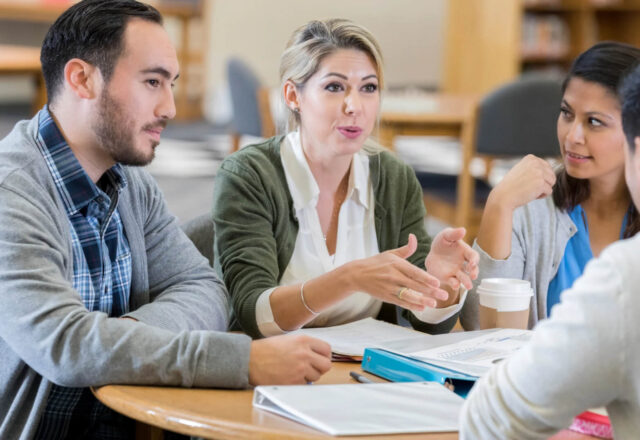
Mastering Positive Interactions: Strategies for Handling Challenges in Personal and Professional Relationships is a practical course designed to help learners develop stronger communication skills, build healthier relationships, and manage challenging interactions with confidence. Positive interactions are essential in every area of life, whether communicating with family members, friends, colleagues, managers, clients, or other people within professional and social environments.
Relationships can sometimes become difficult because of misunderstandings, differences in opinions, conflicting expectations, communication barriers, and emotional reactions. Without effective interpersonal skills, these challenges can affect trust, cooperation, productivity, and personal wellbeing. Learning how to approach difficult situations constructively can make a significant difference in the quality of everyday interactions.
This course introduces learners to the foundations of positive interactions and explains why constructive communication plays an important role in maintaining successful personal and professional relationships. Through the introductory module, learners will begin developing an understanding of the principles behind positive communication, the importance of respectful behaviour, and the value of approaching relationships with patience, empathy, and an open mind.
By exploring these foundational concepts, learners can begin recognising how their communication habits influence the people around them. They will gain a clearer understanding of how positive interactions contribute to mutual respect, stronger connections, effective teamwork, and more productive conversations.
The course focuses on practical outcomes, helping learners build the confidence to approach everyday interactions more positively, respond thoughtfully to challenging situations, and establish better foundations for long-term relationships.
Who Is This For?
This course is suitable for individuals who want to improve their interpersonal communication skills and develop more positive relationships in their personal and professional lives.
It may be particularly valuable for:
-
Individuals seeking personal development: People who want to communicate more effectively, develop greater self-awareness, and build healthier relationships.
-
Employees and professionals: Individuals who regularly interact with colleagues, supervisors, clients, and customers and want to improve workplace communication.
-
Team members: People who want to contribute to a more supportive working environment through respectful communication and positive interactions.
-
Managers and supervisors: Professionals interested in understanding the foundations of constructive workplace relationships and improving everyday communication with their teams.
-
Students and graduates: Learners preparing for professional environments who want to develop interpersonal skills that support collaboration and career development.
-
Customer-facing professionals: Individuals who communicate with customers or service users and want to establish positive, respectful, and productive interactions.
-
Anyone interested in stronger relationships: People who want to understand how communication, behaviour, and mutual respect influence relationships.
No matter your current experience level, developing positive interaction skills can help you communicate with greater confidence and approach everyday challenges more constructively.
Requirements / Prerequisites
There are no formal qualifications or previous experience required to begin this course. It is designed to be accessible to beginners as well as individuals who already have experience communicating in personal or professional environments.
To benefit from the learning experience, participants should ideally have:
-
An interest in improving personal and professional relationships.
-
A willingness to explore their existing communication habits.
-
An open-minded approach to understanding different perspectives.
-
An interest in developing positive interpersonal behaviours.
-
A commitment to applying constructive communication principles in everyday situations.
Learners only need a basic understanding of everyday communication and access to the learning materials.
The course provides an accessible starting point for anyone who wants to strengthen their relationship-building abilities and develop a more positive approach to interacting with others.
What You Will Learn
Through the introductory module, learners will begin exploring the essential foundations of positive interactions and their importance in everyday relationships.
By engaging with the course content, learners can develop an understanding of:
-
The meaning and importance of positive interactions.
-
How effective communication influences personal and professional relationships.
-
Why mutual respect is essential when interacting with others.
-
How communication habits can influence the quality of relationships.
-
The importance of understanding different perspectives.
-
How positive attitudes contribute to more constructive conversations.
-
Why developing interpersonal awareness can improve everyday communication.
-
How positive interactions support cooperation and stronger connections.
These foundational concepts can help learners recognise opportunities to improve their communication approach and build more constructive relationships.
Career Path
Positive interaction and interpersonal communication skills are valuable across a wide range of professional environments. Employers regularly look for individuals who can communicate clearly, cooperate with colleagues, demonstrate professionalism, and contribute to positive working relationships.
Completing this course can support your personal and professional development by strengthening transferable skills that are useful in many career areas.
Potential career environments include:
Human Resources and Recruitment
Interpersonal communication is important when interacting with employees, candidates, and management teams. Understanding positive interactions can help develop the communication foundations required in human resources and recruitment environments.
Management and Team Leadership
Managers and supervisors regularly communicate expectations, coordinate activities, and work with different personalities. Positive interaction skills can support more effective workplace relationships and collaborative working practices.
Customer Service and Client Relations
Customer-facing roles require patience, professionalism, and respectful communication. Developing positive interaction skills can help individuals approach customer conversations more constructively.
Education and Training
Teachers, trainers, and educational support professionals interact with learners, parents, and colleagues. Strong interpersonal skills can contribute to more supportive and productive learning environments.
Administration and Office Support
Administrative professionals frequently communicate with colleagues, customers, and external organisations. Effective interpersonal communication can support smoother workplace coordination and professional relationships.
Business and Entrepreneurship
Business owners and entrepreneurs depend on positive relationships with customers, suppliers, employees, and business partners. The ability to communicate constructively can support professional networking and long-term business relationships.
It is important to understand that this course provides personal development and transferable skills training rather than a guaranteed professional qualification or job placement. Learners can combine the knowledge gained with relevant experience and further training to support their chosen career direction.
Benefits of Mastering Positive Interactions
Developing positive interaction skills can provide benefits that extend beyond individual conversations. These abilities can influence how people approach relationships, handle differences, and contribute to their communities and workplaces.
By studying this course, learners can work towards:
-
Improved communication confidence: Develop a better understanding of how to approach everyday conversations.
-
Stronger personal relationships: Recognise the importance of respect, understanding, and constructive communication.
-
Better workplace relationships: Build the foundations for professional interactions based on cooperation and mutual respect.
-
Greater interpersonal awareness: Become more conscious of how communication habits influence others.
-
Improved collaboration: Understand how positive interactions contribute to teamwork and shared objectives.
-
Personal development: Build a stronger foundation for continued growth in communication and relationship-building skills.
-
Professional development: Strengthen transferable interpersonal abilities that can be applied across different industries.
Course Module
Module 1: Introduction
The introductory module establishes the foundations of mastering positive interactions in personal and professional relationships.
Learners are introduced to the importance of constructive communication and explore how everyday interactions influence relationships with other people. The module provides an opportunity to understand why positive communication, mutual respect, and interpersonal awareness are essential when building meaningful connections.
By completing this module, learners can develop a clearer understanding of the subject and recognise how positive interaction principles can be applied in everyday situations.
Start Building More Positive Relationships
Positive relationships are built through consistent communication, understanding, and mutual respect. Whether you want to improve your personal connections, communicate more effectively at work, or strengthen your interpersonal abilities for future career opportunities, developing positive interaction skills is a valuable step towards personal growth.
Enrol in Mastering Positive Interactions: Strategies for Handling Challenges in Personal and Professional Relationships and begin developing the knowledge and awareness needed to approach everyday interactions more constructively.
Take the opportunity to strengthen your communication foundations, improve your understanding of relationships, and work towards creating more positive experiences in both your personal and professional life.